Is Anti-Tarnish Gold-Plated Silver Jewellery Really a Good Idea?
At first glance, “anti-tarnish” gold-plated silver jewellery may sound unquestionably better than jewellery without an anti-tarnish coating. It can certainly delay discolouration, but it comes with an important catch: once this protective coating has been applied, restoring and re-gold-plating the jewellery later can become extremely difficult—particularly when the piece contains stones.

Before choosing anti-tarnish jewellery, it is worth understanding how gold plating wears, why silver tarnishes and why short-term protection may come at the cost of long-term restoration.
Why does gold-plated silver jewellery change with time?
Two things can happen to gold-plated silver jewellery that change its surface:
- Normal wear and tear: Just like the surface of other frequently used objects, the thin gold layer gradually rubs away through friction.
- Tarnish: The underlying silver may react with sulphur compounds, perspiration, moisture and other substances, resulting in dark or purplish patches on the surface.
What does an anti-tarnish coating do?
After jewellery has been gold-plated, some manufacturers apply an additional transparent protective layer. Depending on the process, this may be an organic coating, lacquer or another proprietary surface treatment.
The coating creates a barrier between the jewellery and substances such as pollutants, perspiration and perfume. This additional barrier can delay tarnishing and help the initial finish remain fresh for longer. The important word, however, is delay.

The problem begins when the coating wears
A jewellery surface does not wear uniformly. Raised portions and edges experience more friction, while grooves and recessed areas remain comparatively protected. The anti-tarnish coating may therefore wear away in some places while remaining intact in others.
This can eventually create an uneven surface, with some areas exposed and others still covered. The jewellery may begin to look patchy or discoloured. At this stage, it cannot simply be put through the usual re-gold-plating process.
Why can anti-tarnish jewellery be difficult to replate?
Before anti-tarnish jewellery can be plated again, its protective coating must be removed from the entire surface. If traces remain, the new metallic layers may not adhere evenly, resulting in poor or uneven re-plating.
Removing the old coating may require chemical stripping, mechanical polishing or a combination of both. During this process:
- The coating may come off unevenly.
- The thin metallic layers underneath may react differently in different areas.
- Parts of the surface may become rough or matte.
A simple, smooth metal article may sometimes be restored successfully. Intricate stone-set jewellery presents a far greater challenge.
Stone-set jewellery makes restoration more difficult
Strong chemicals and intensive polishing cannot safely be used around every type of stone. Pearls, delicate beads and treated stones may be damaged by acids, heat or aggressive cleaning.
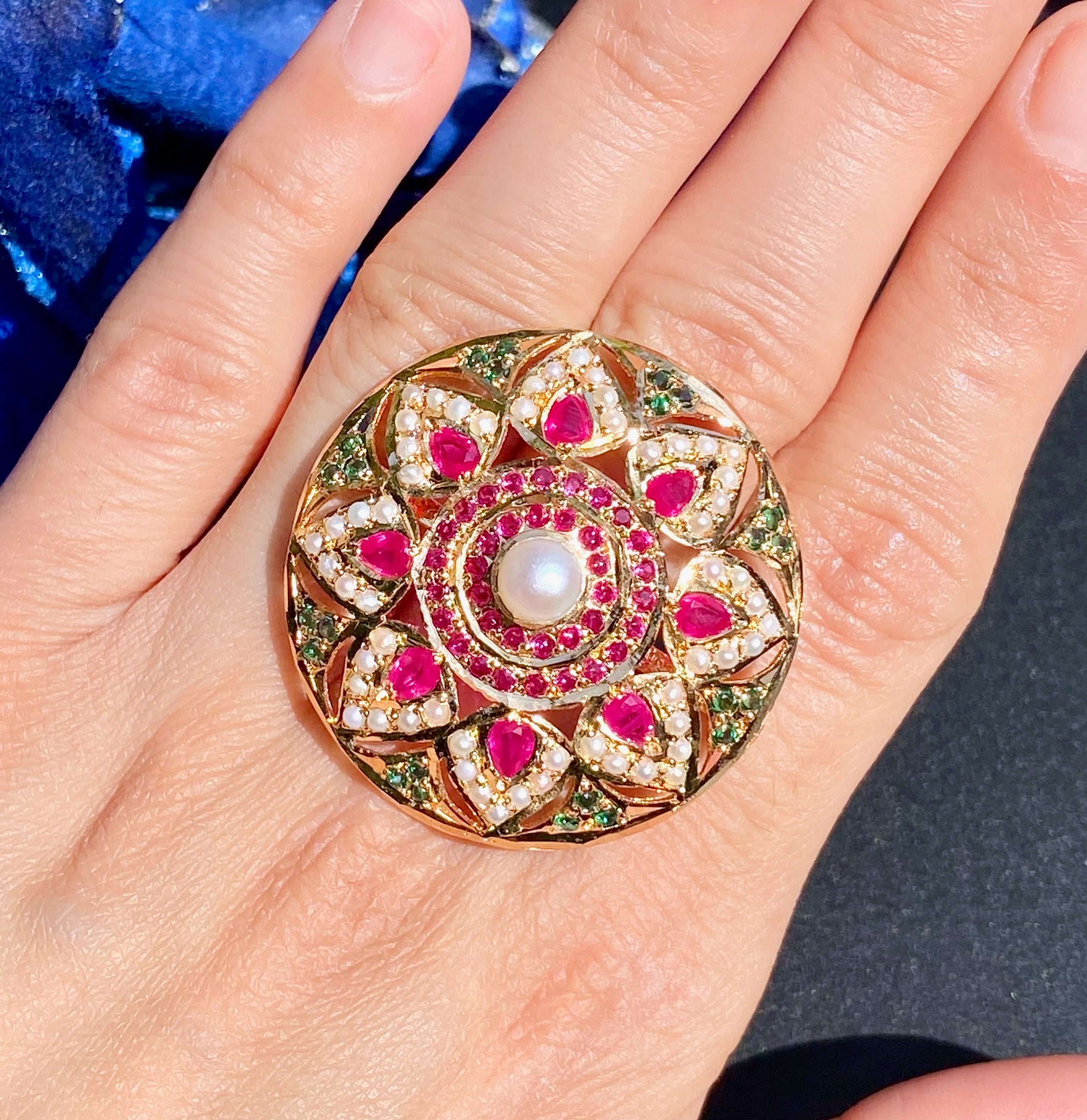
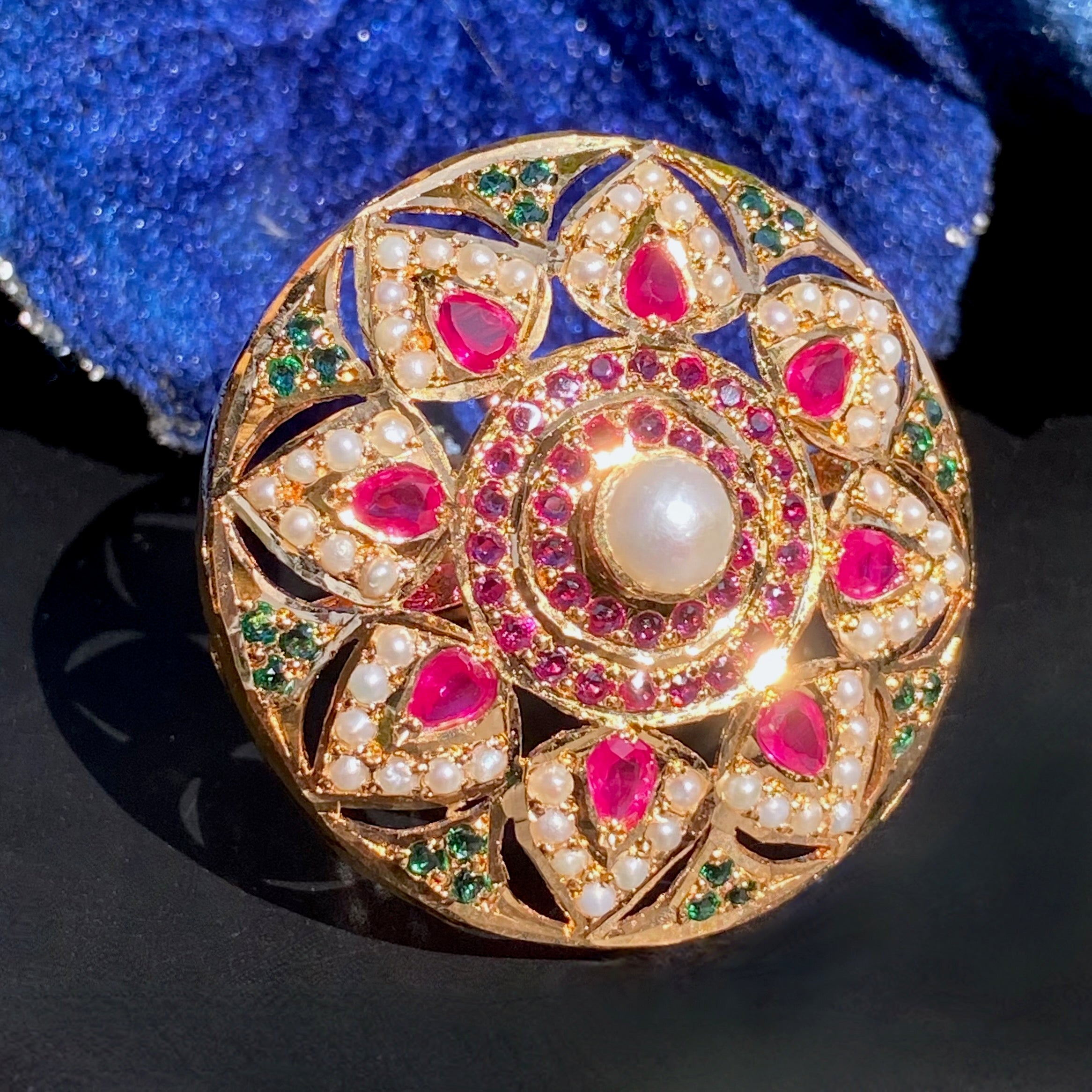
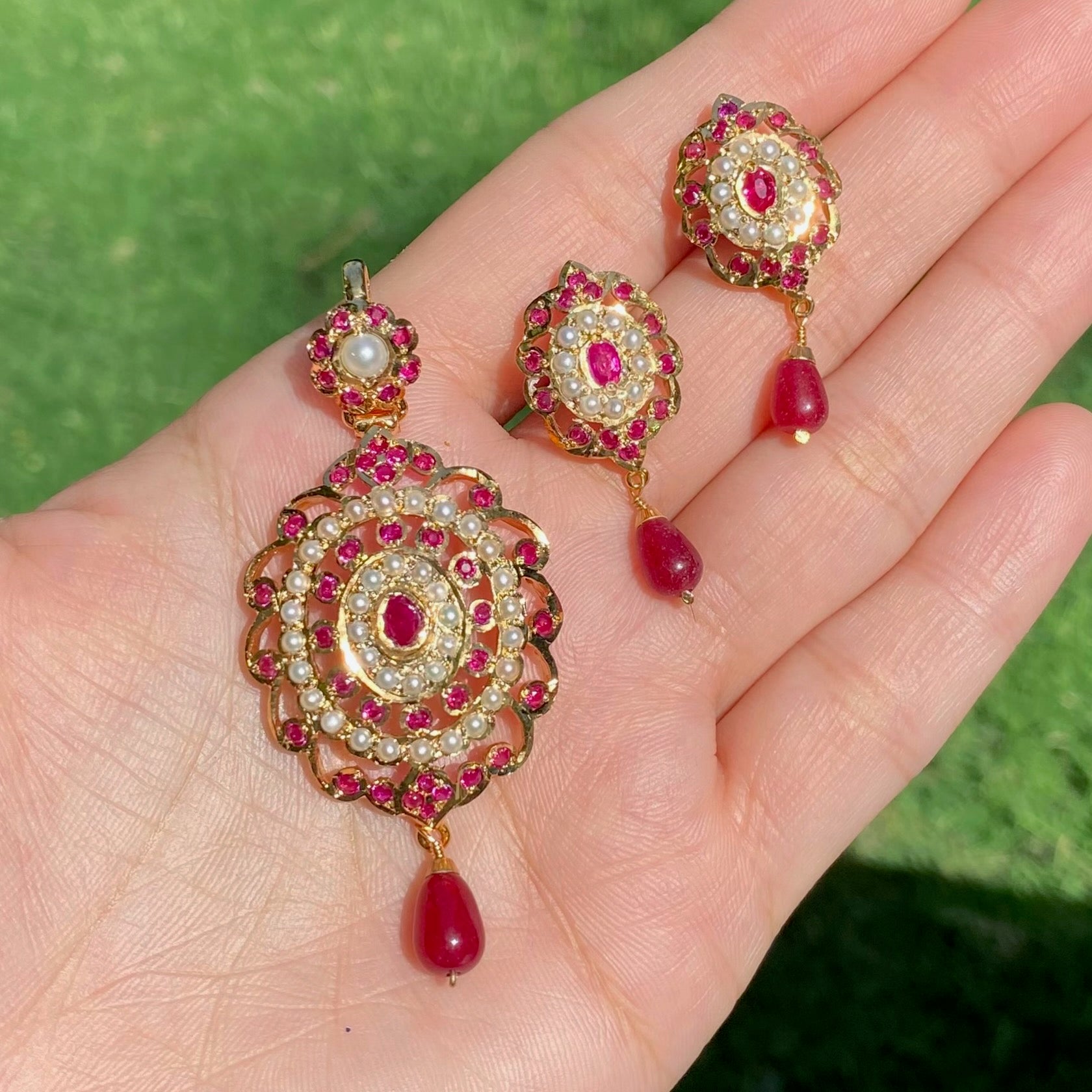
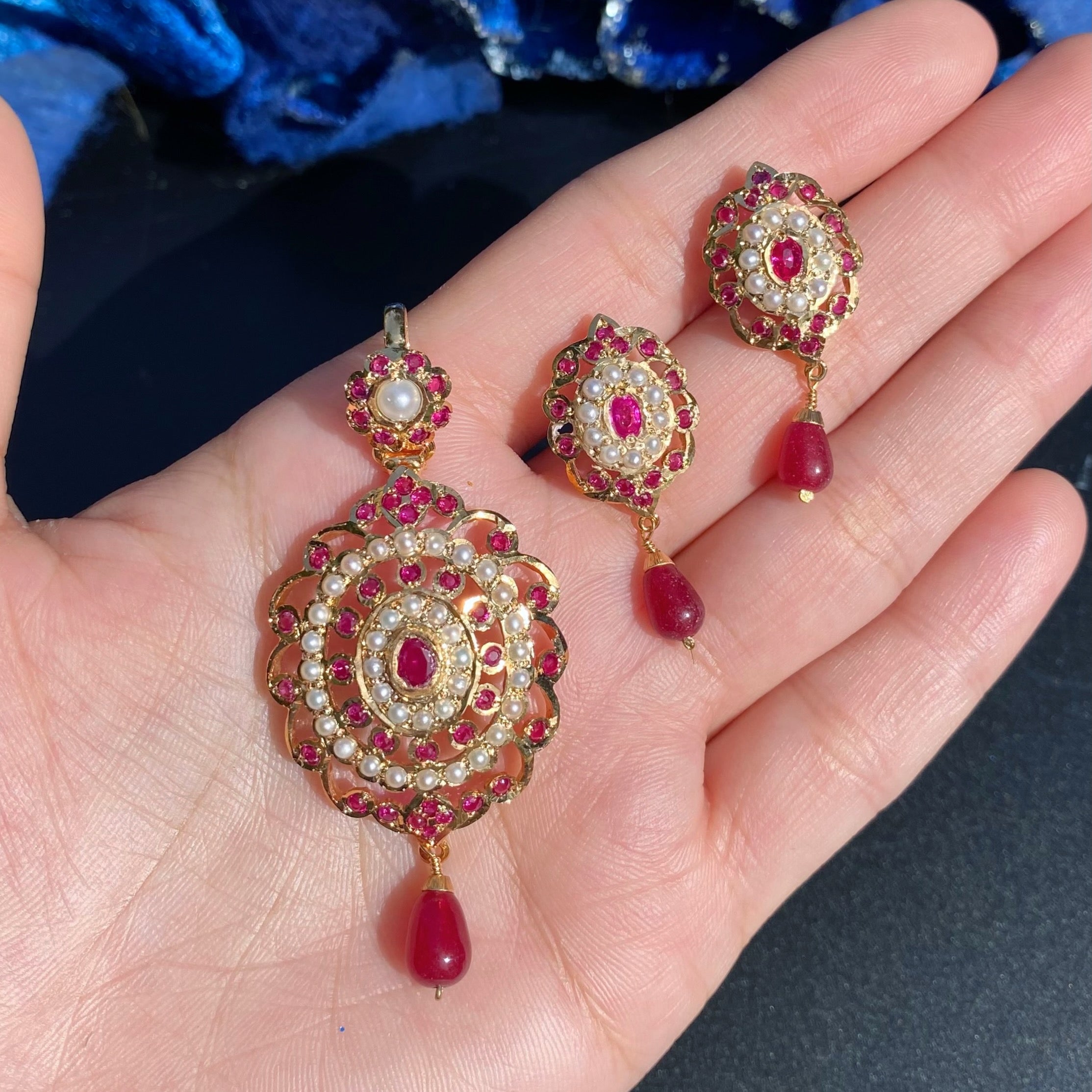
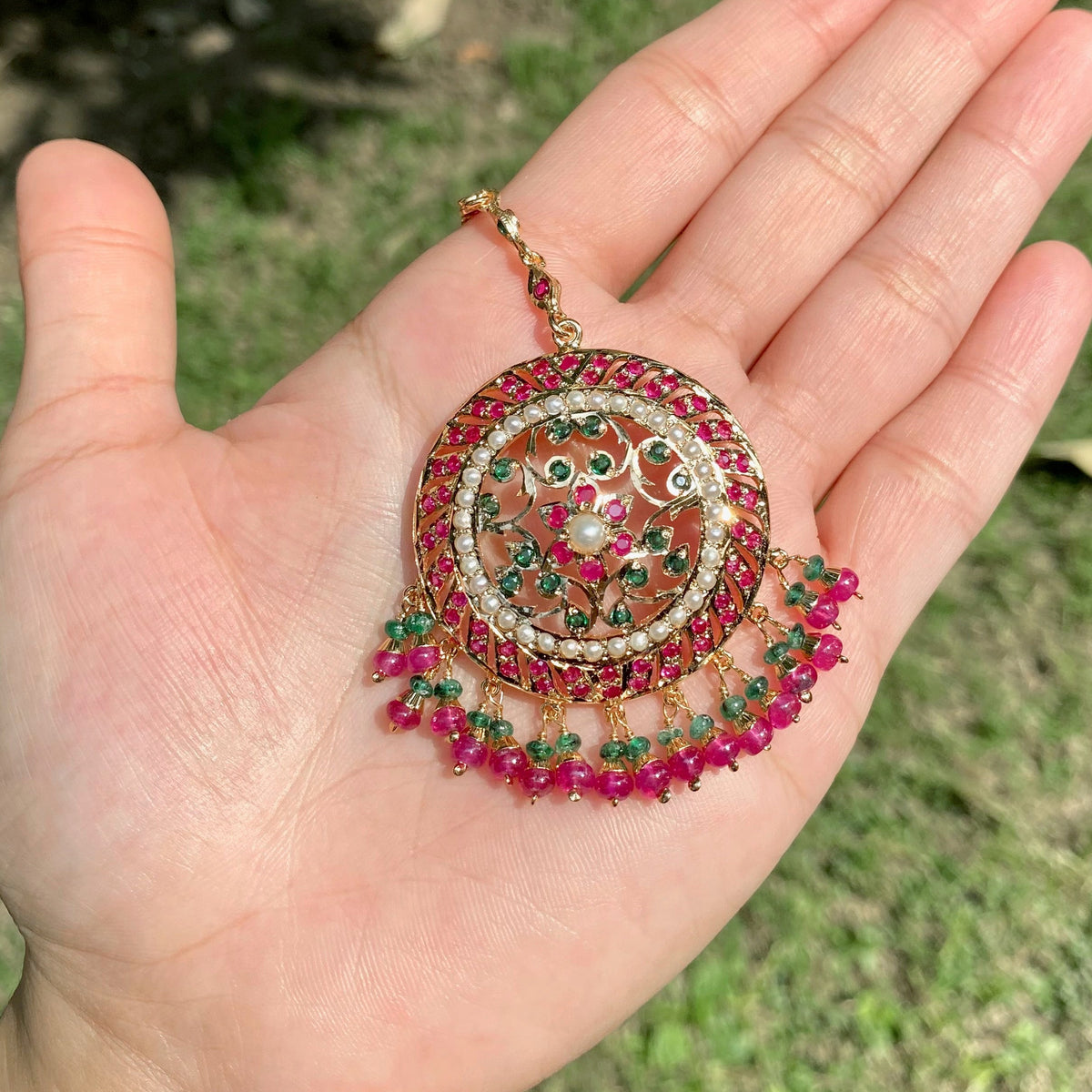
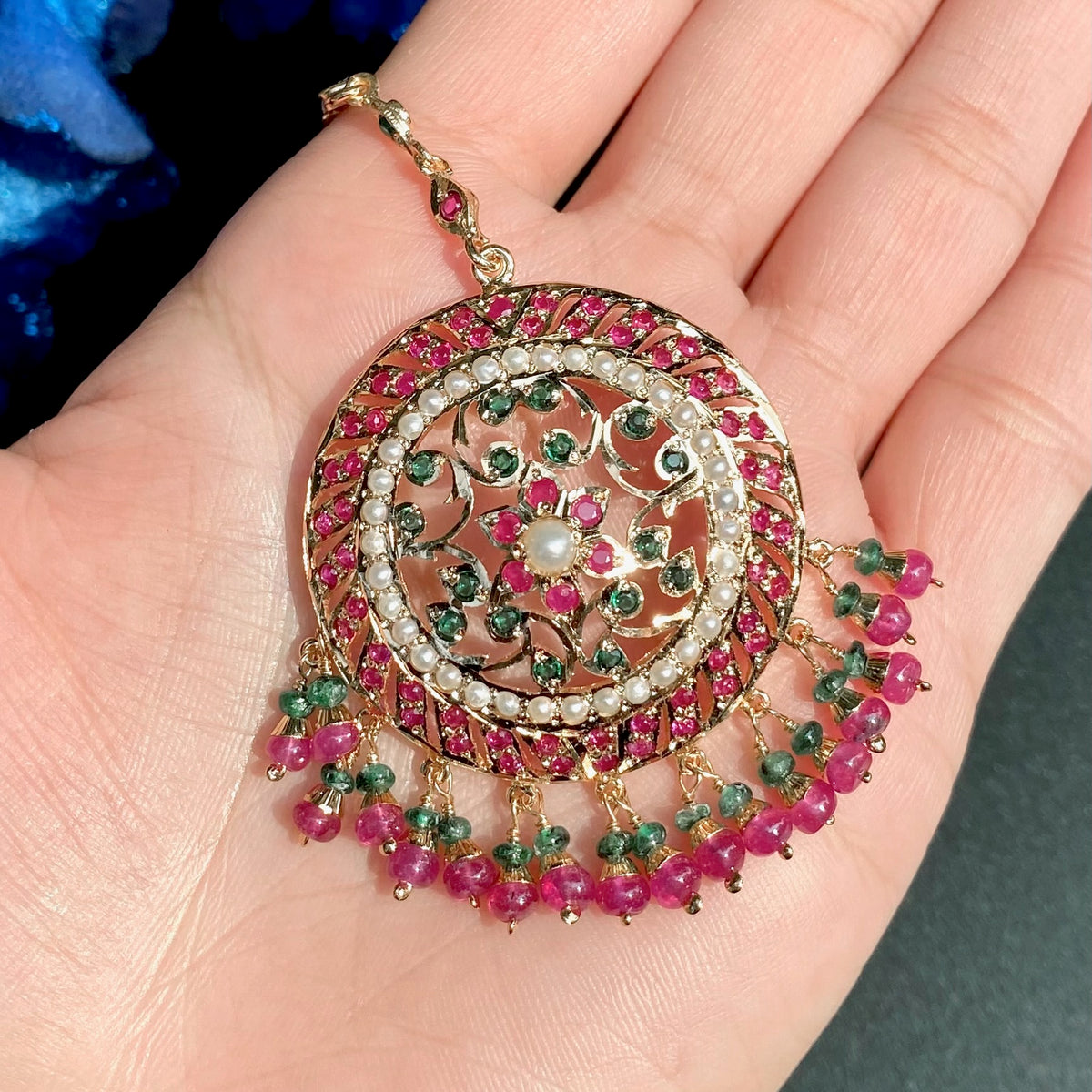
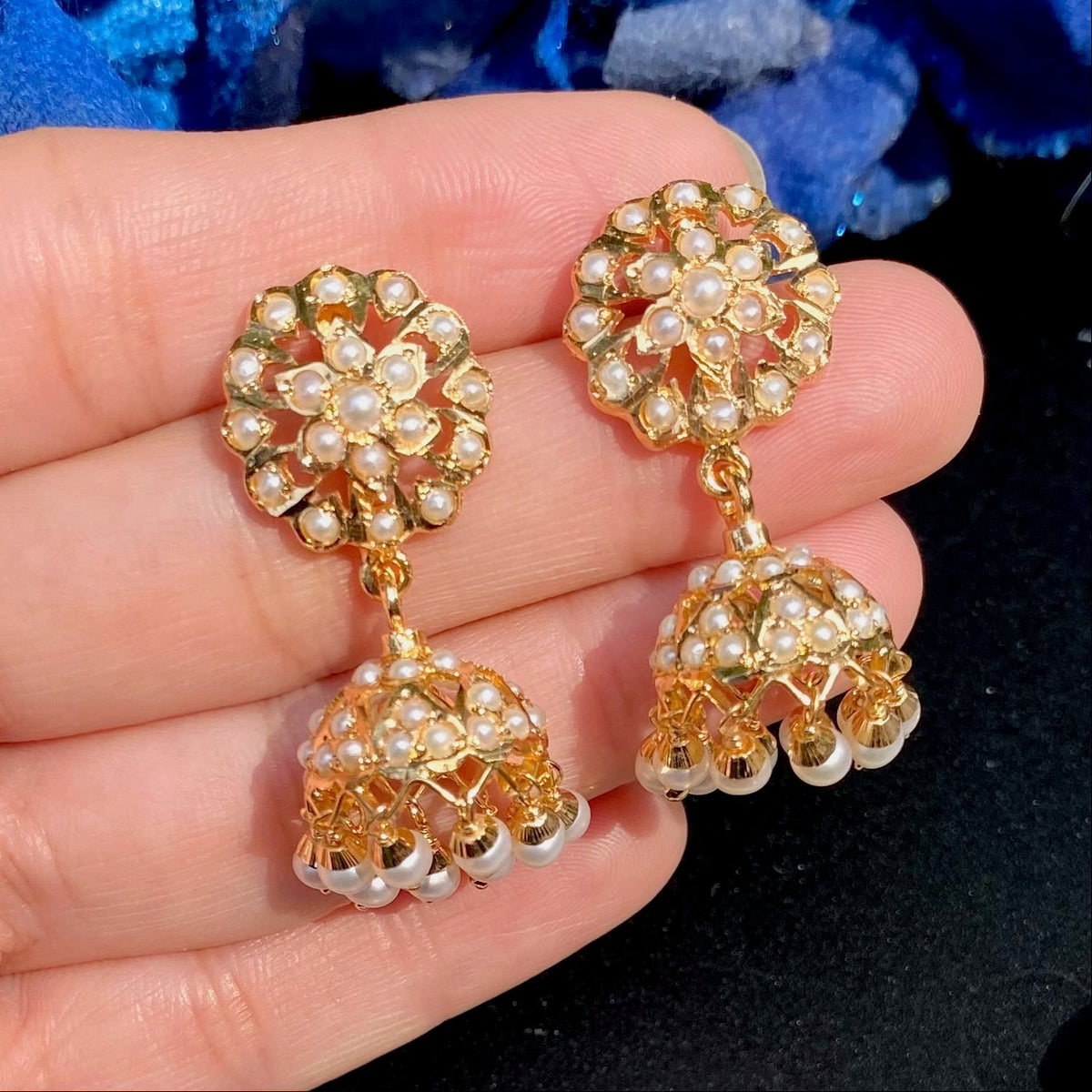
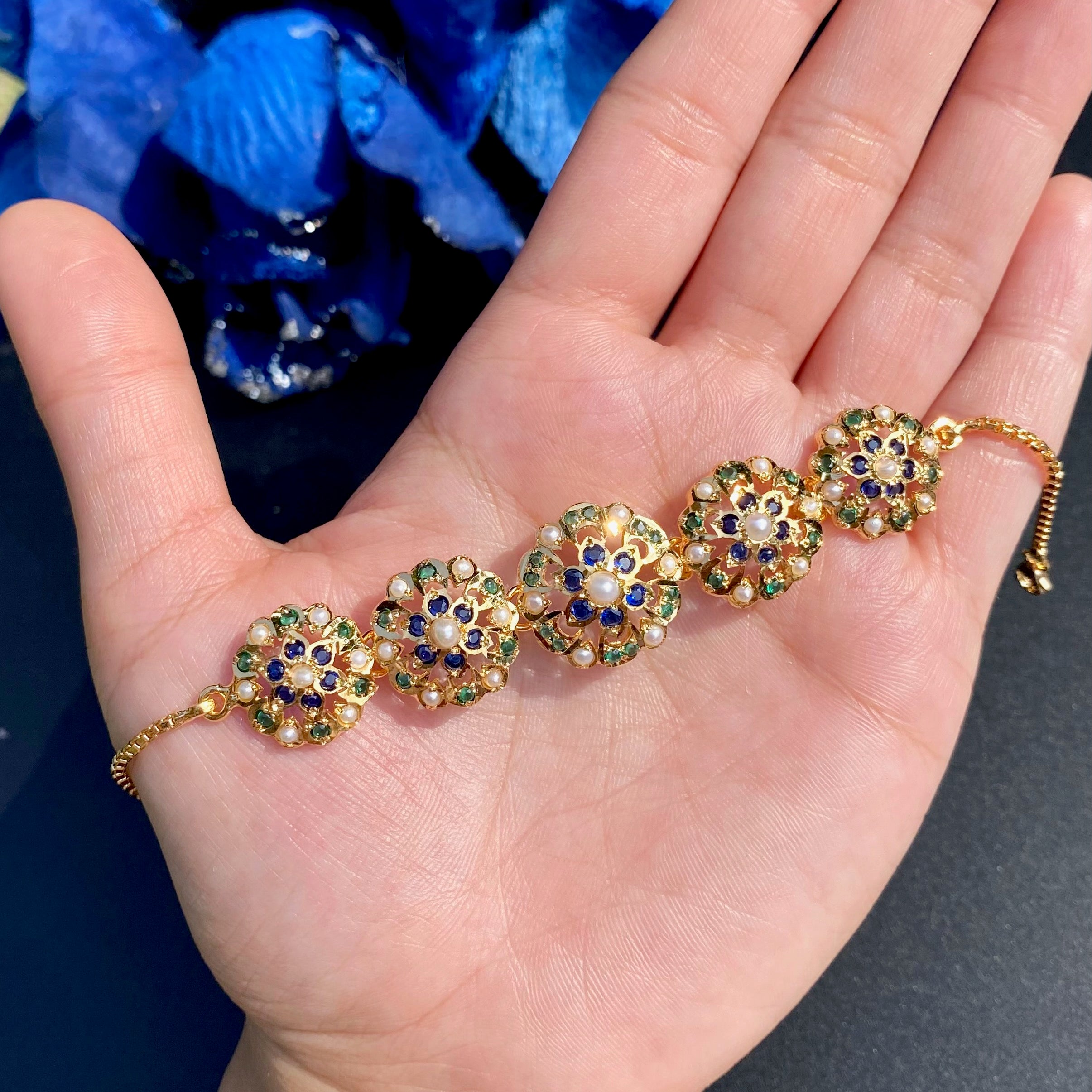
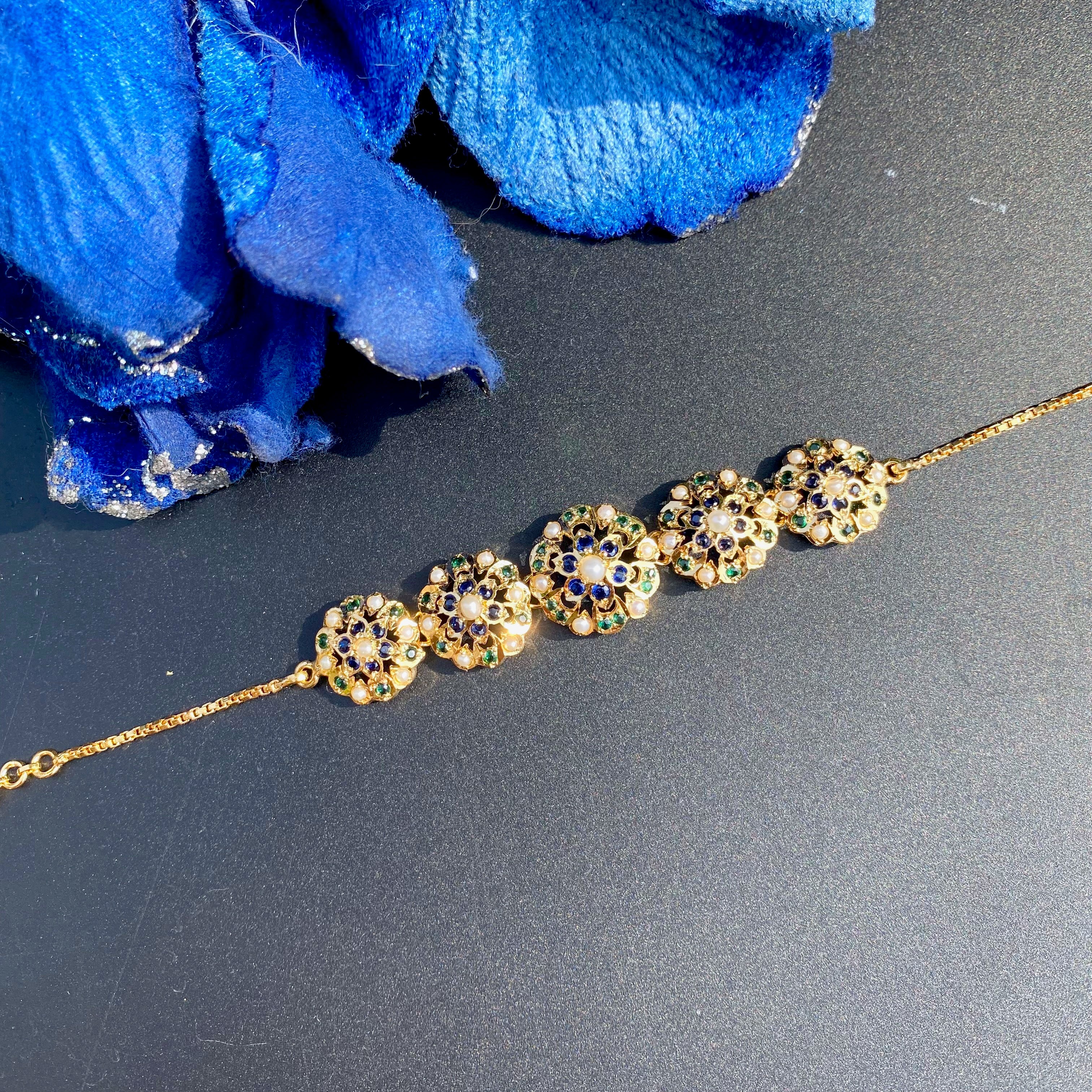
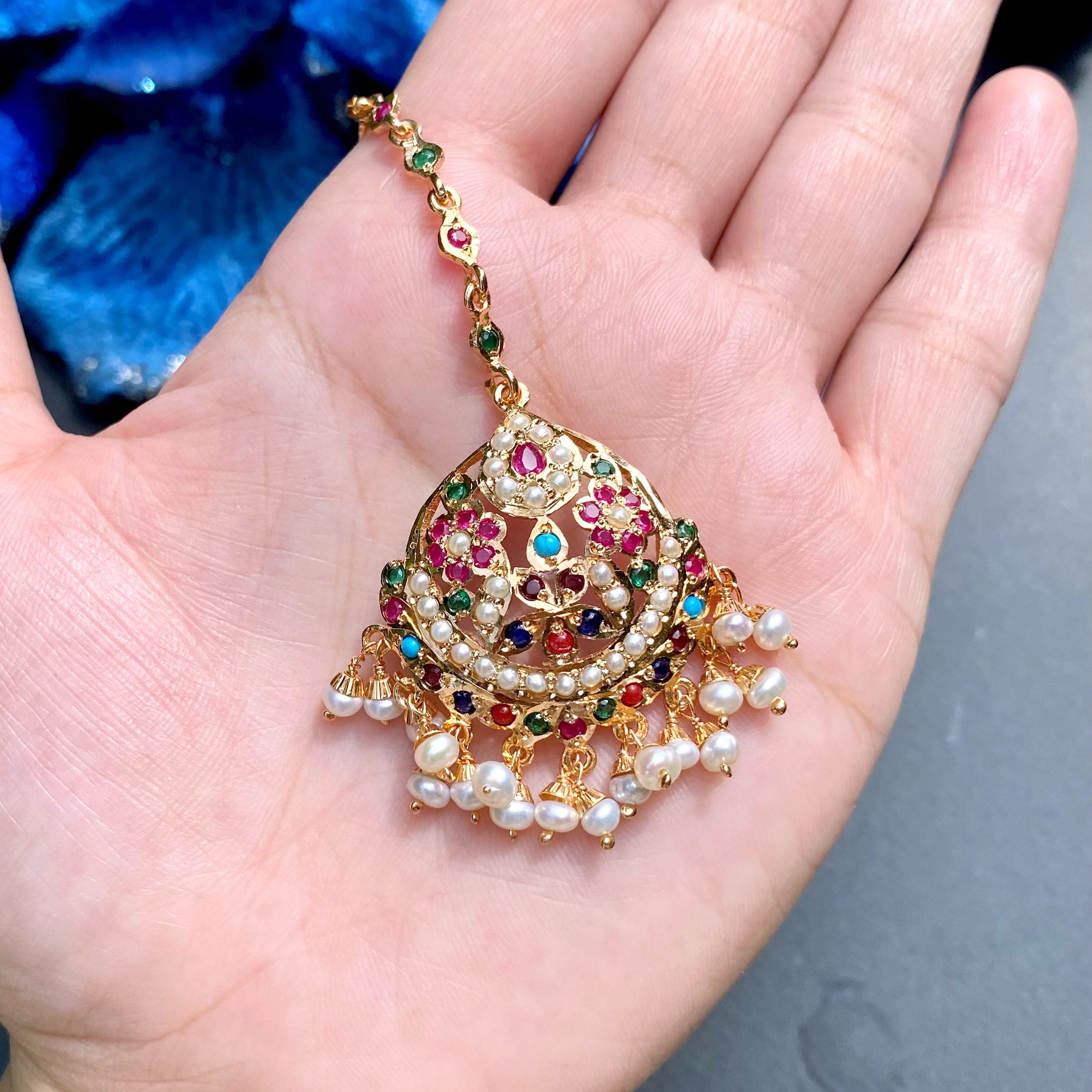
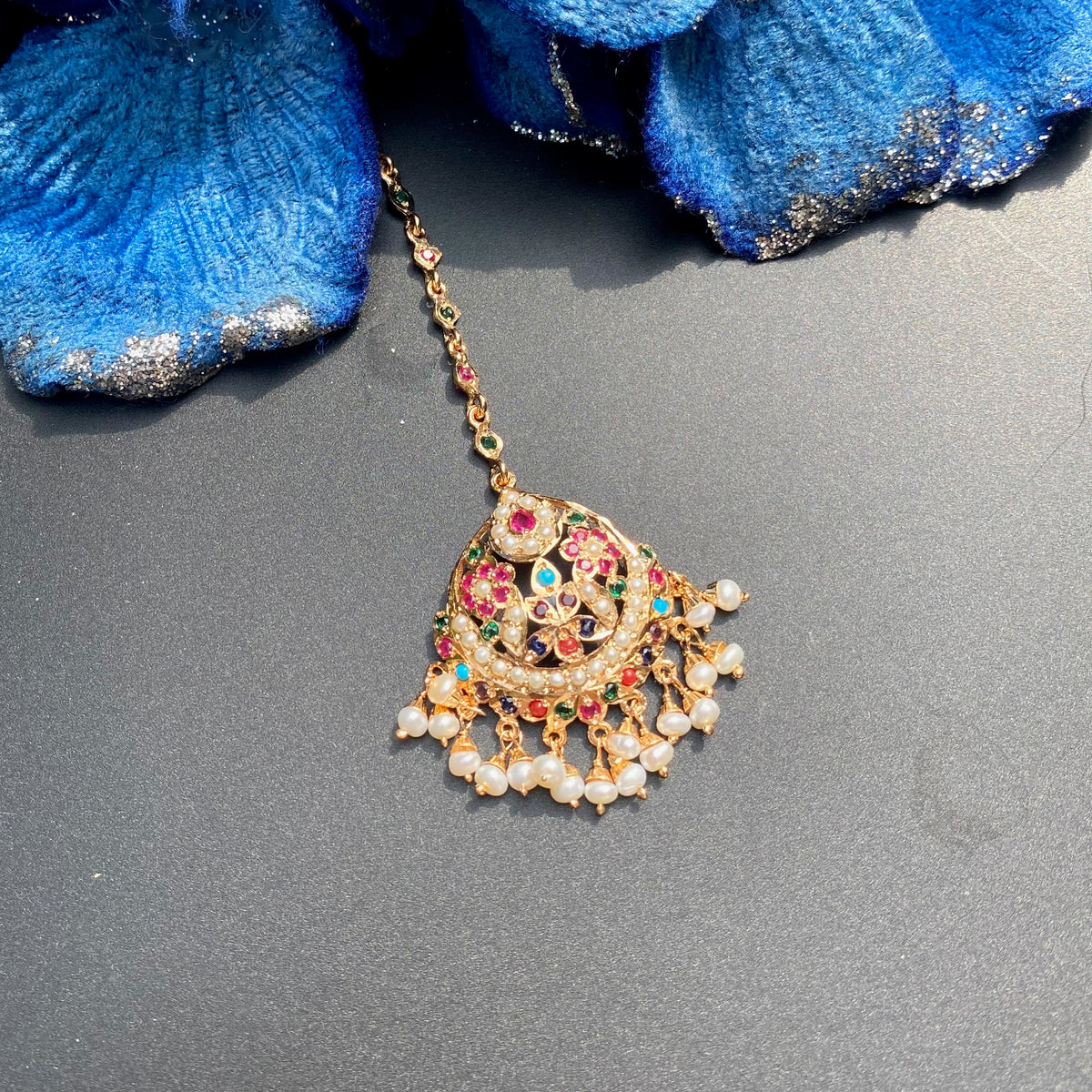
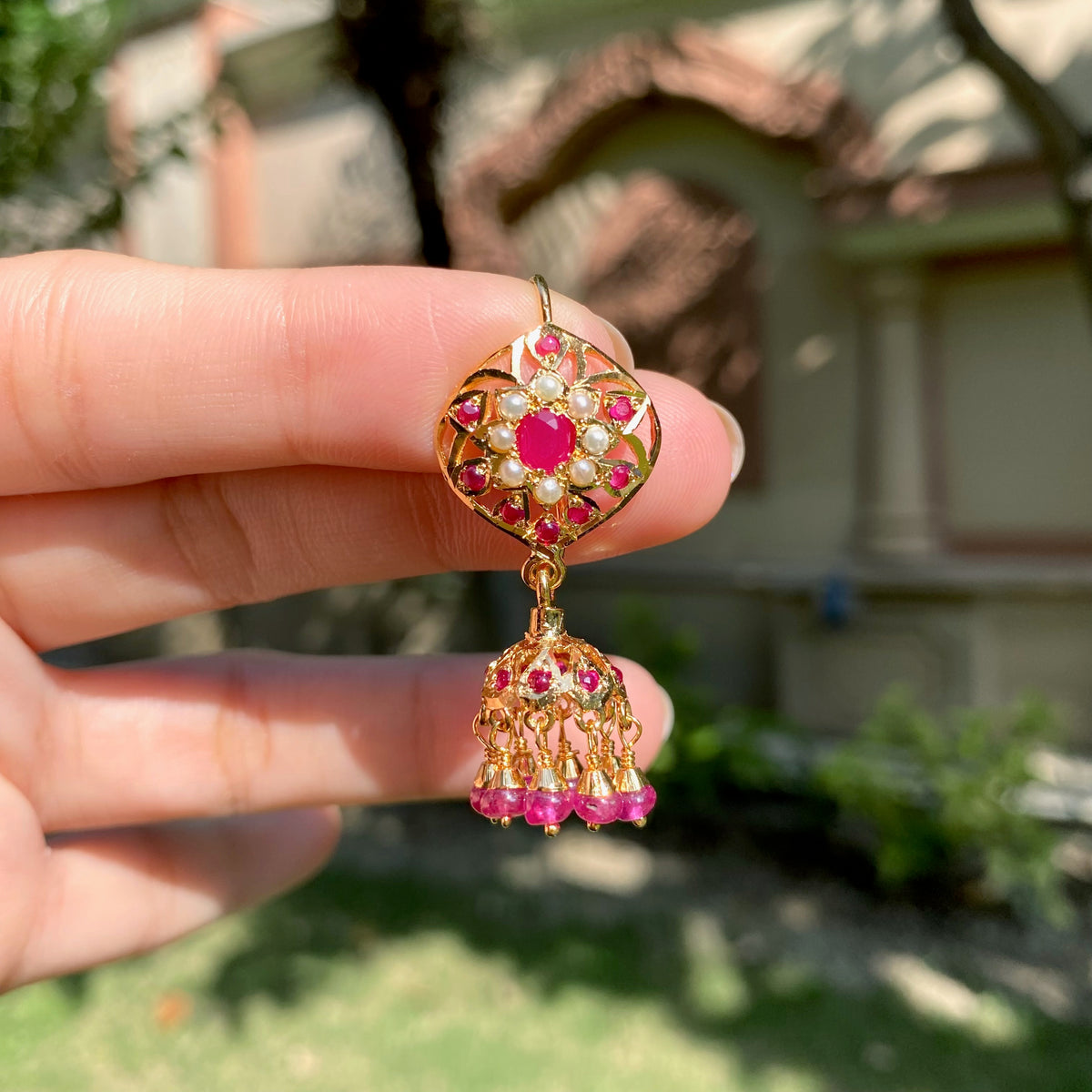
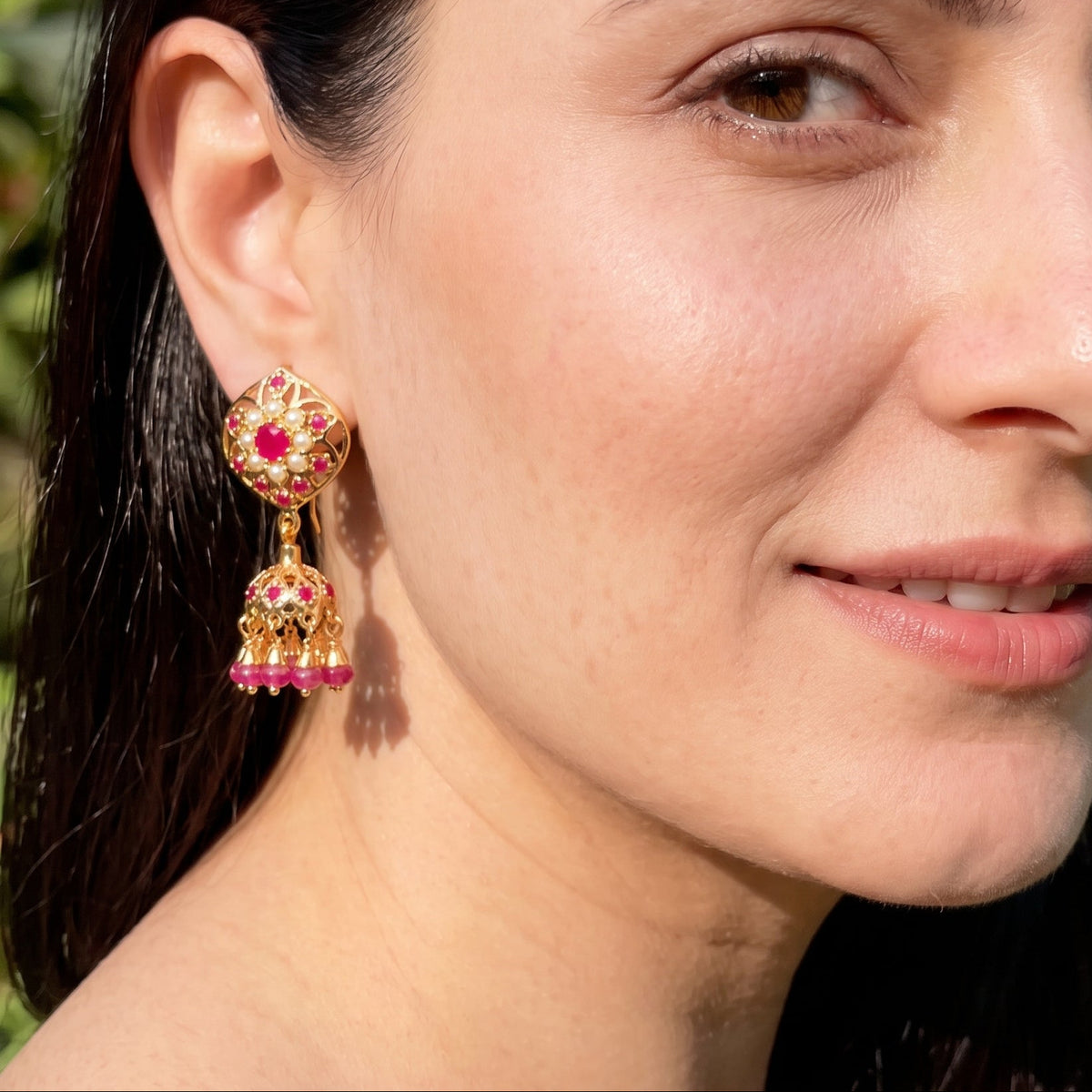
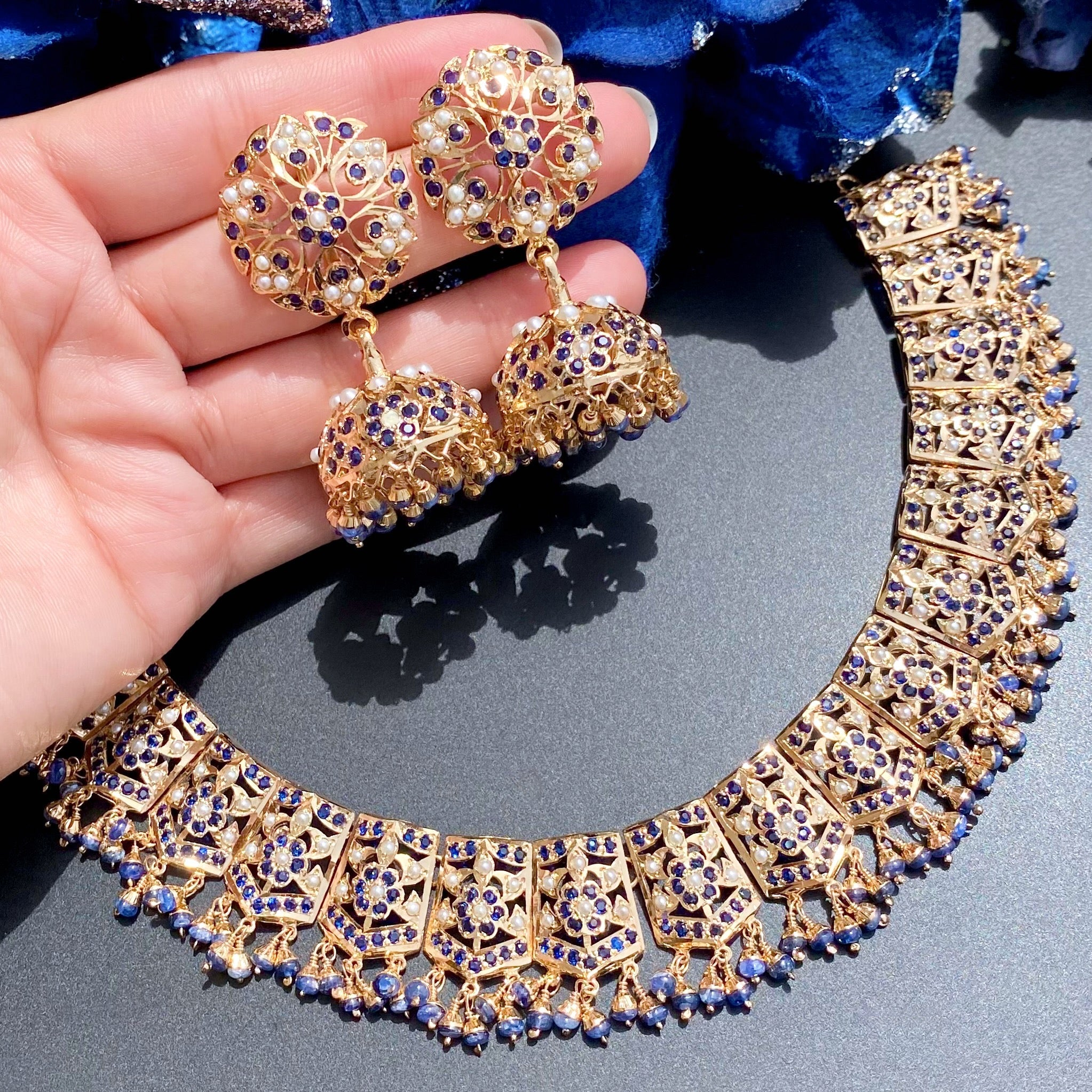
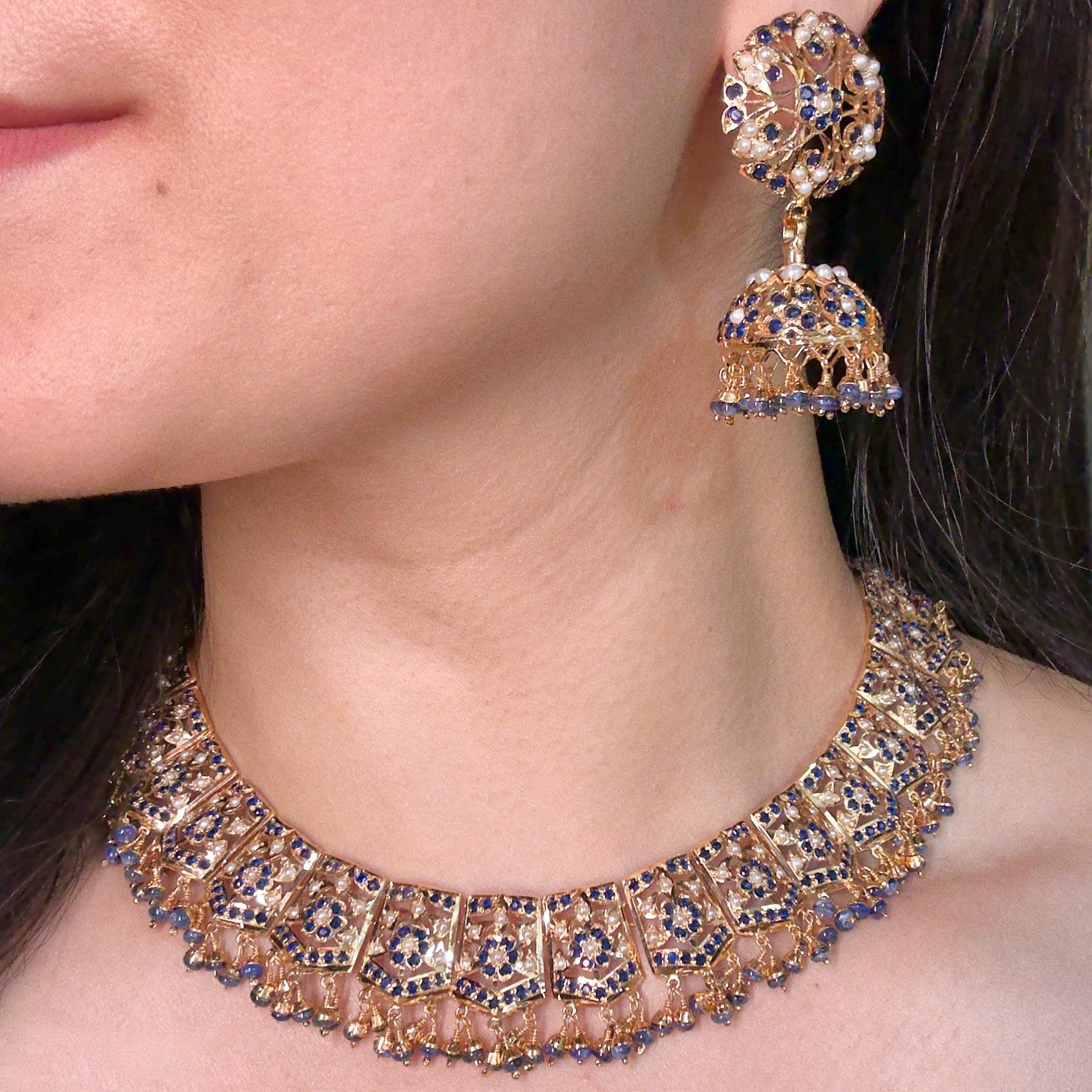
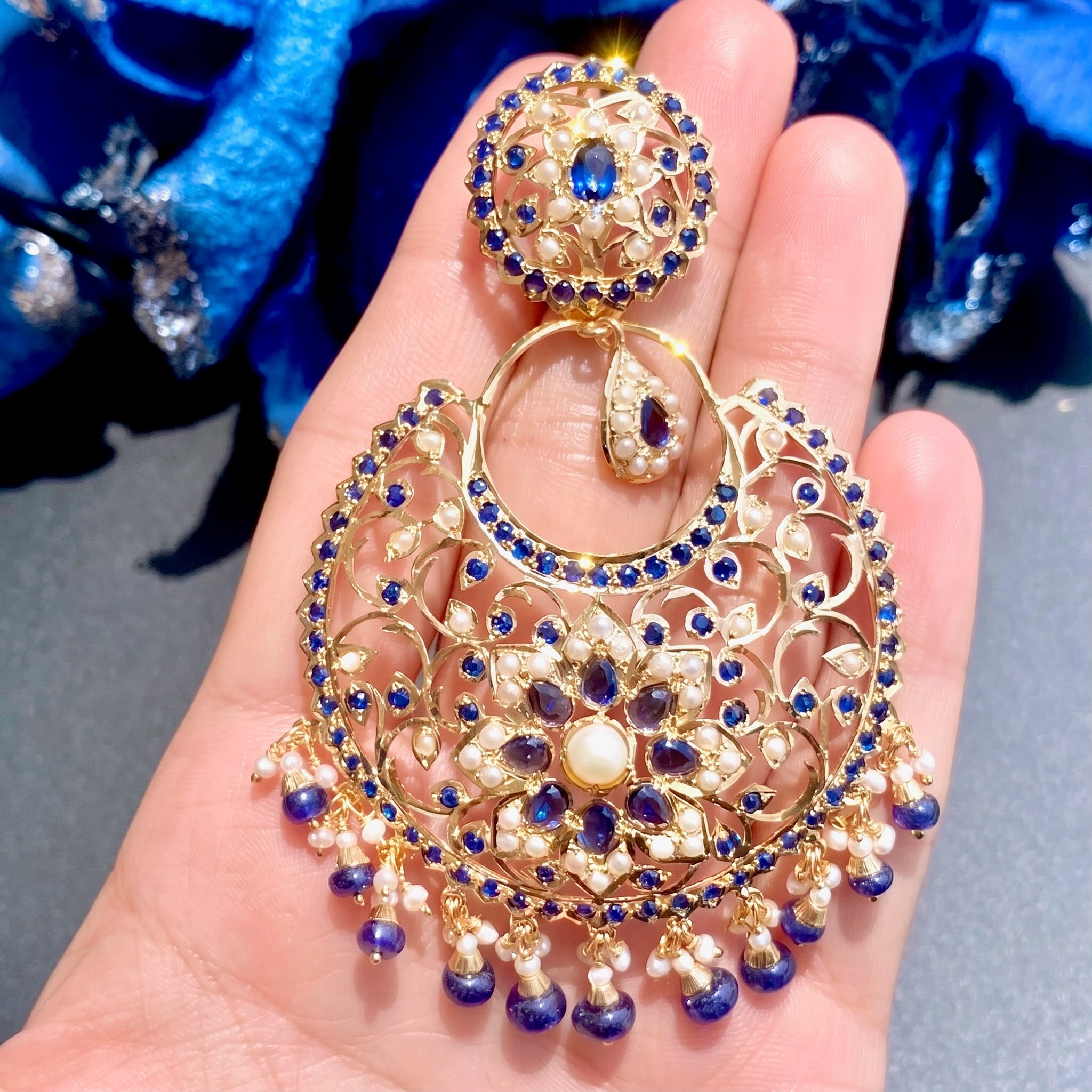
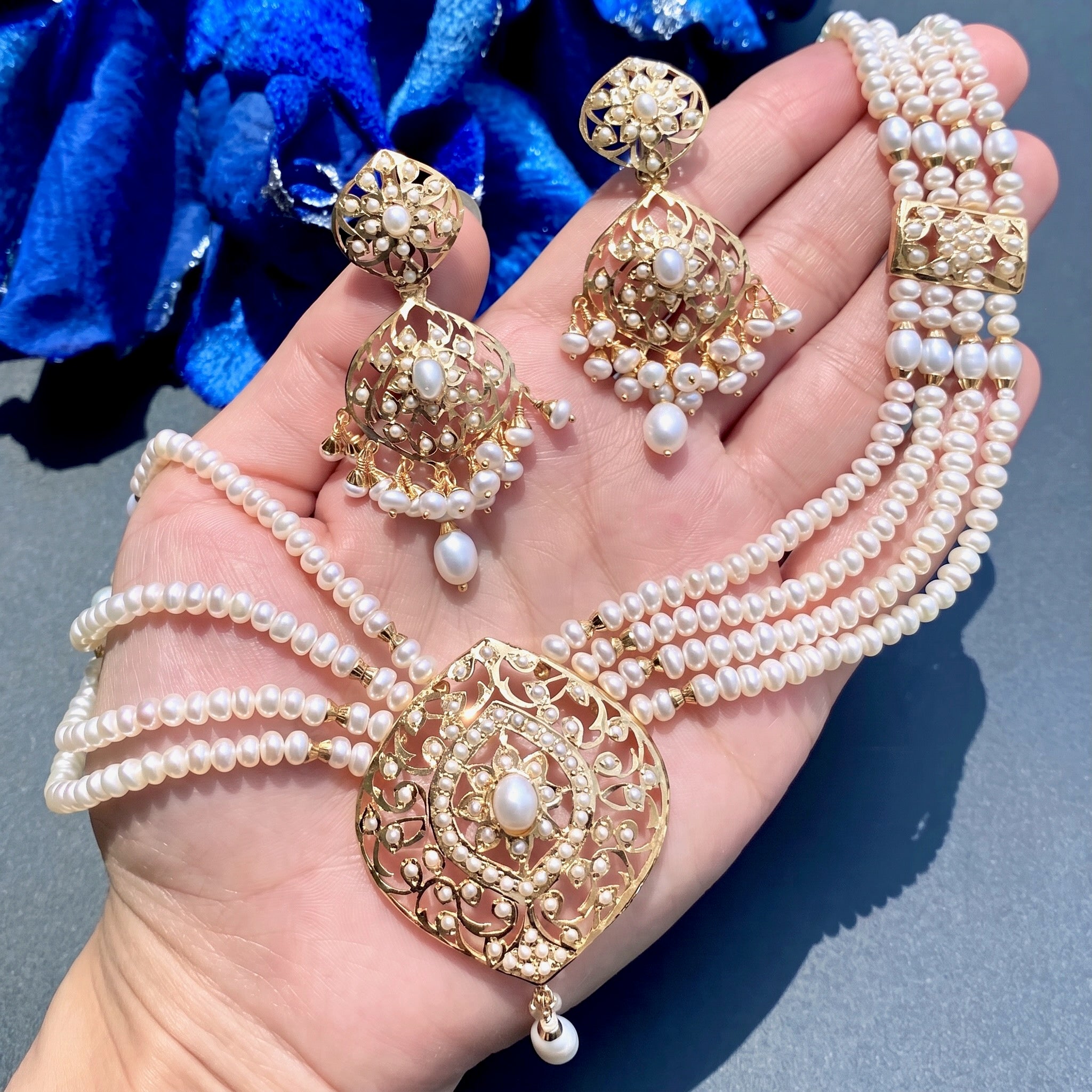
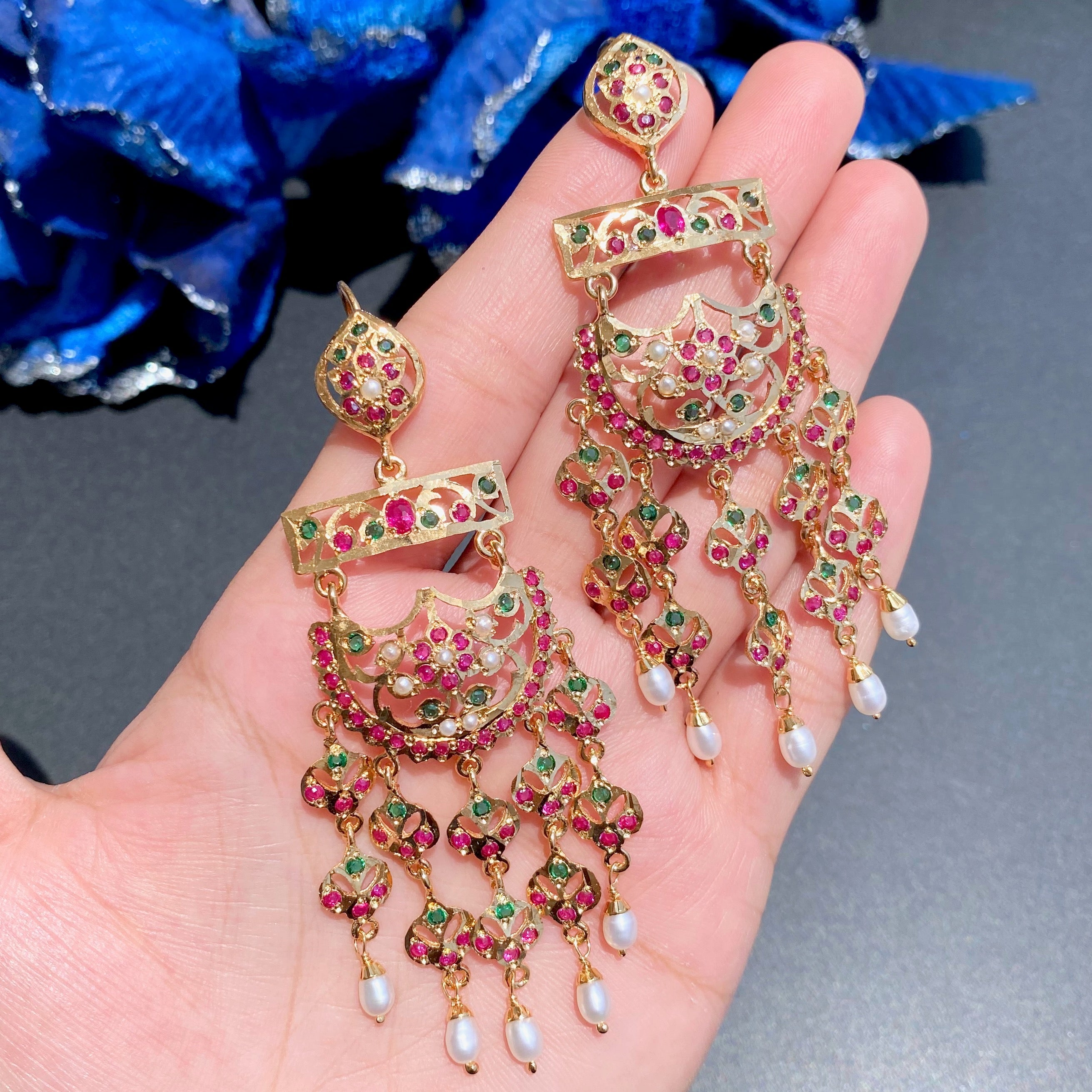
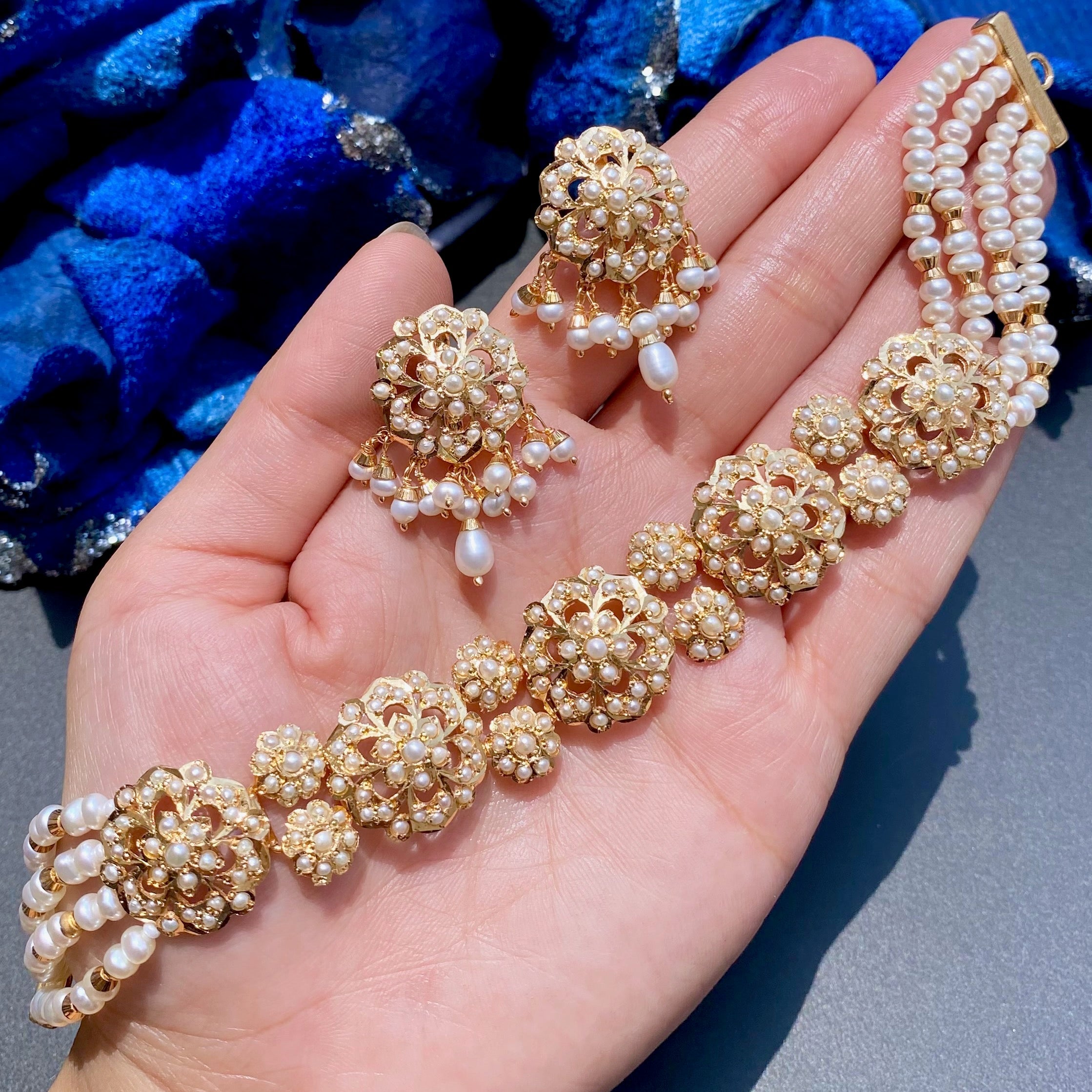
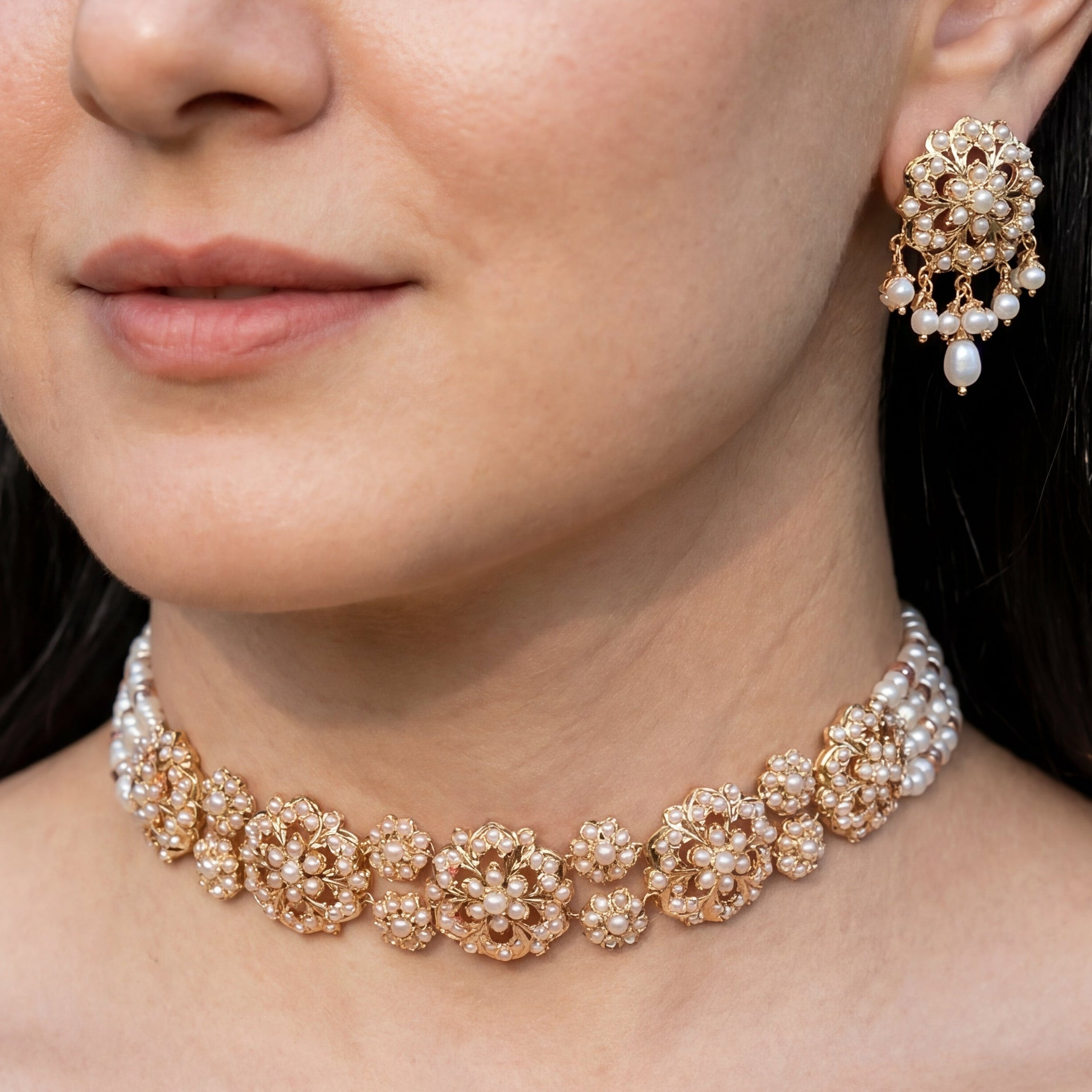
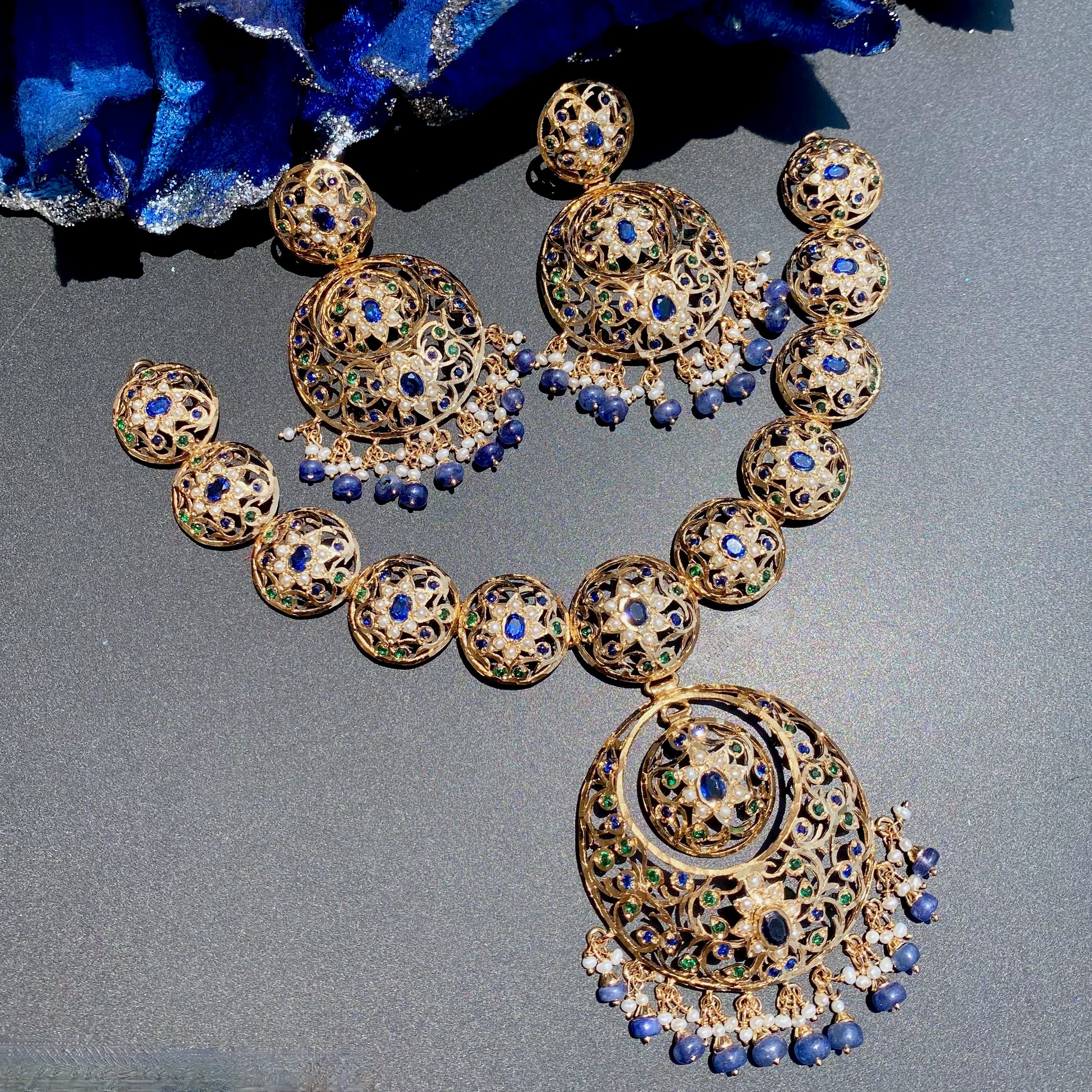
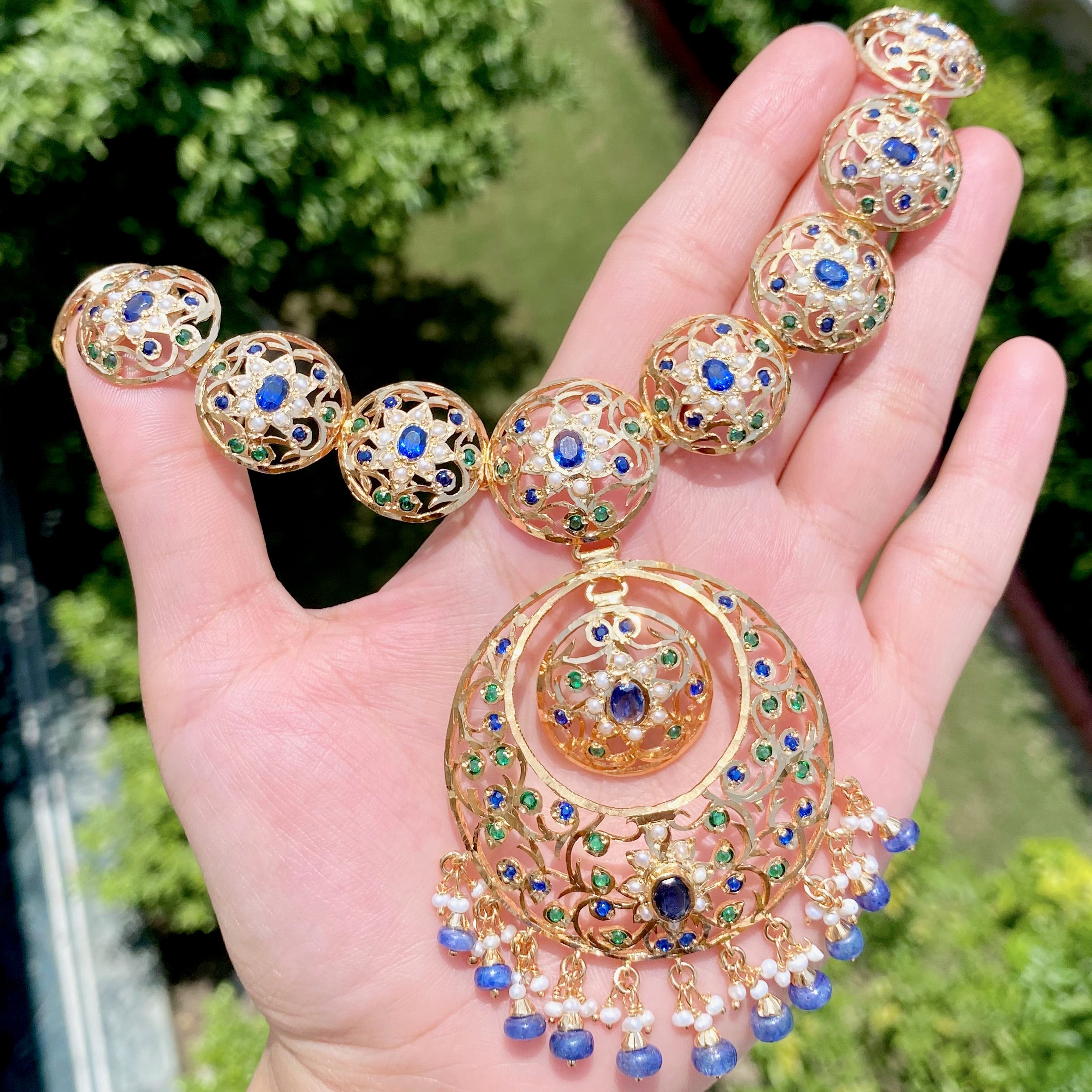
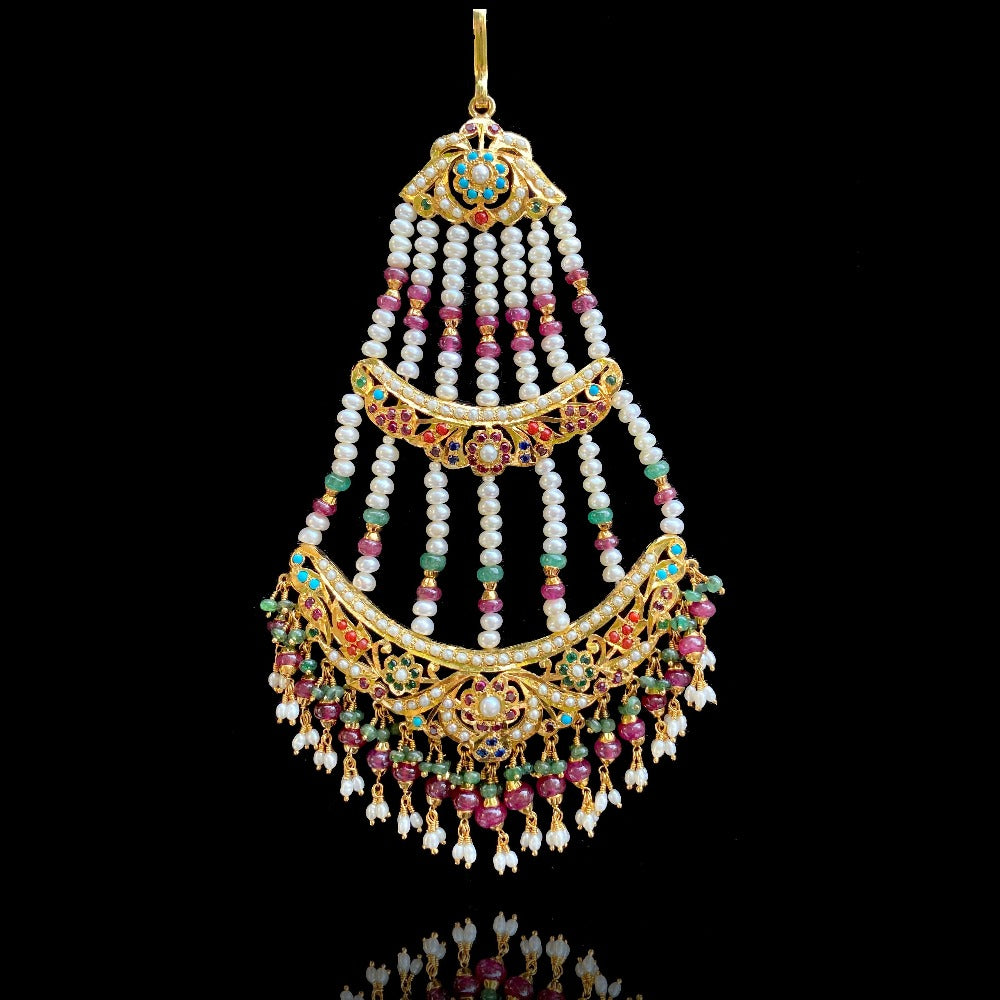
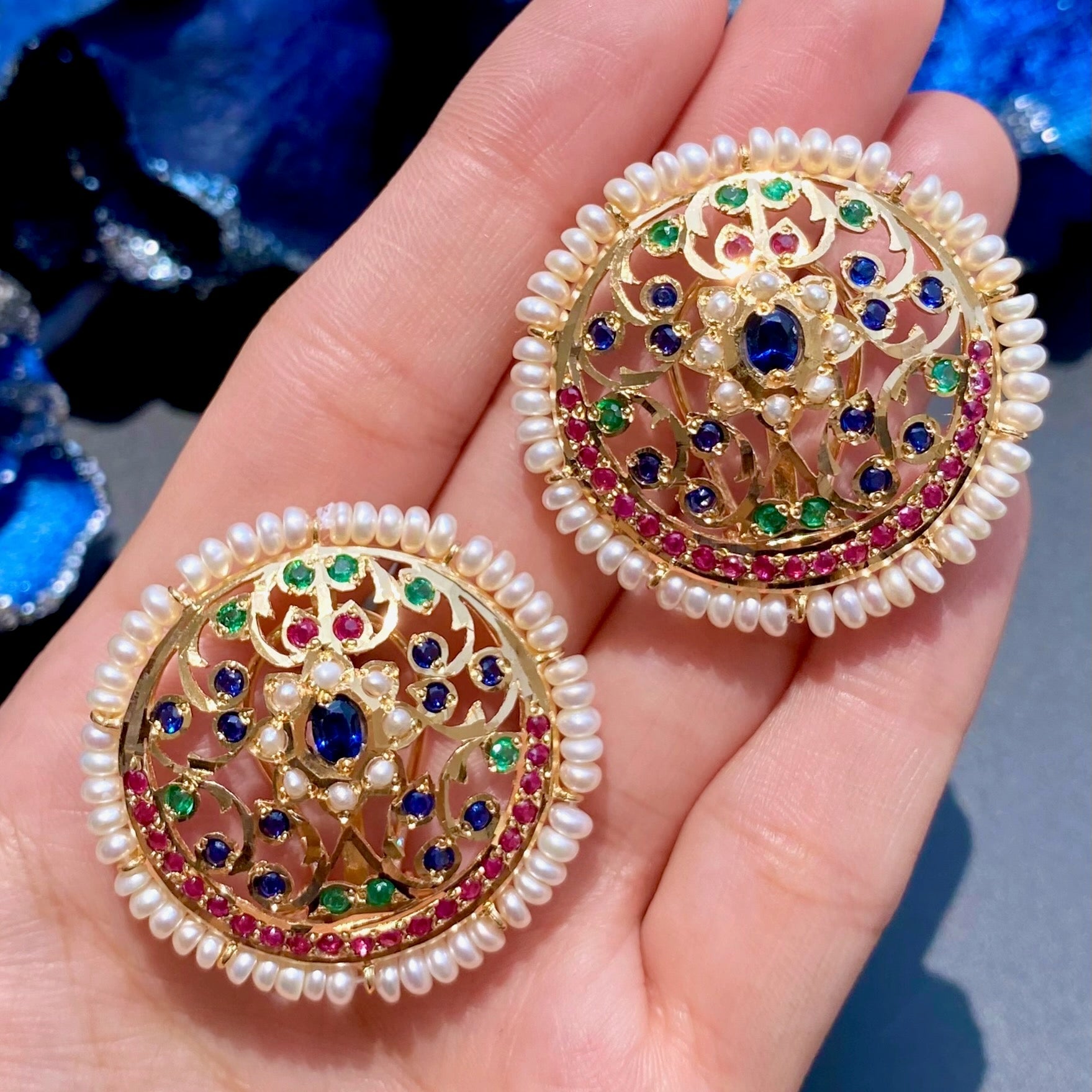
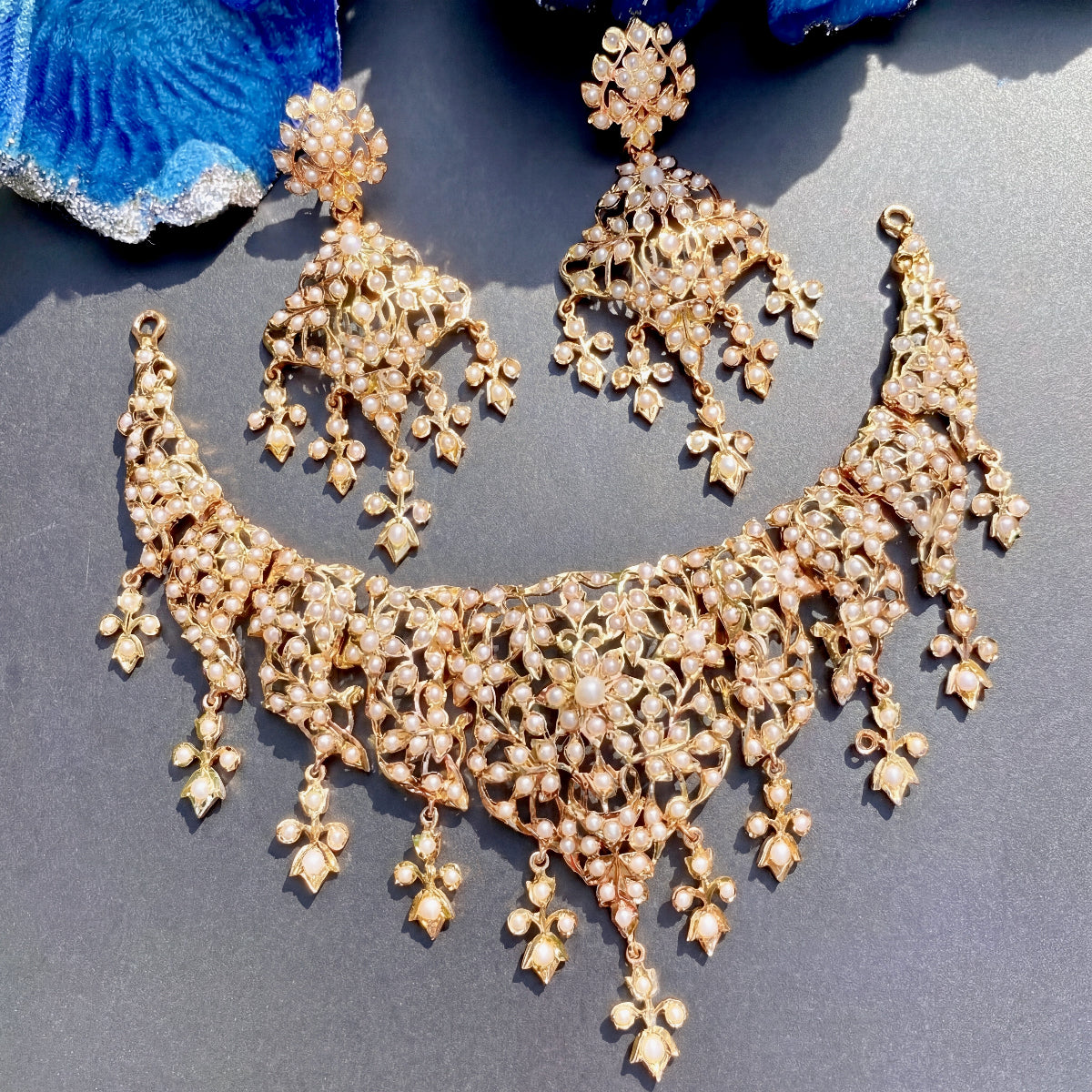
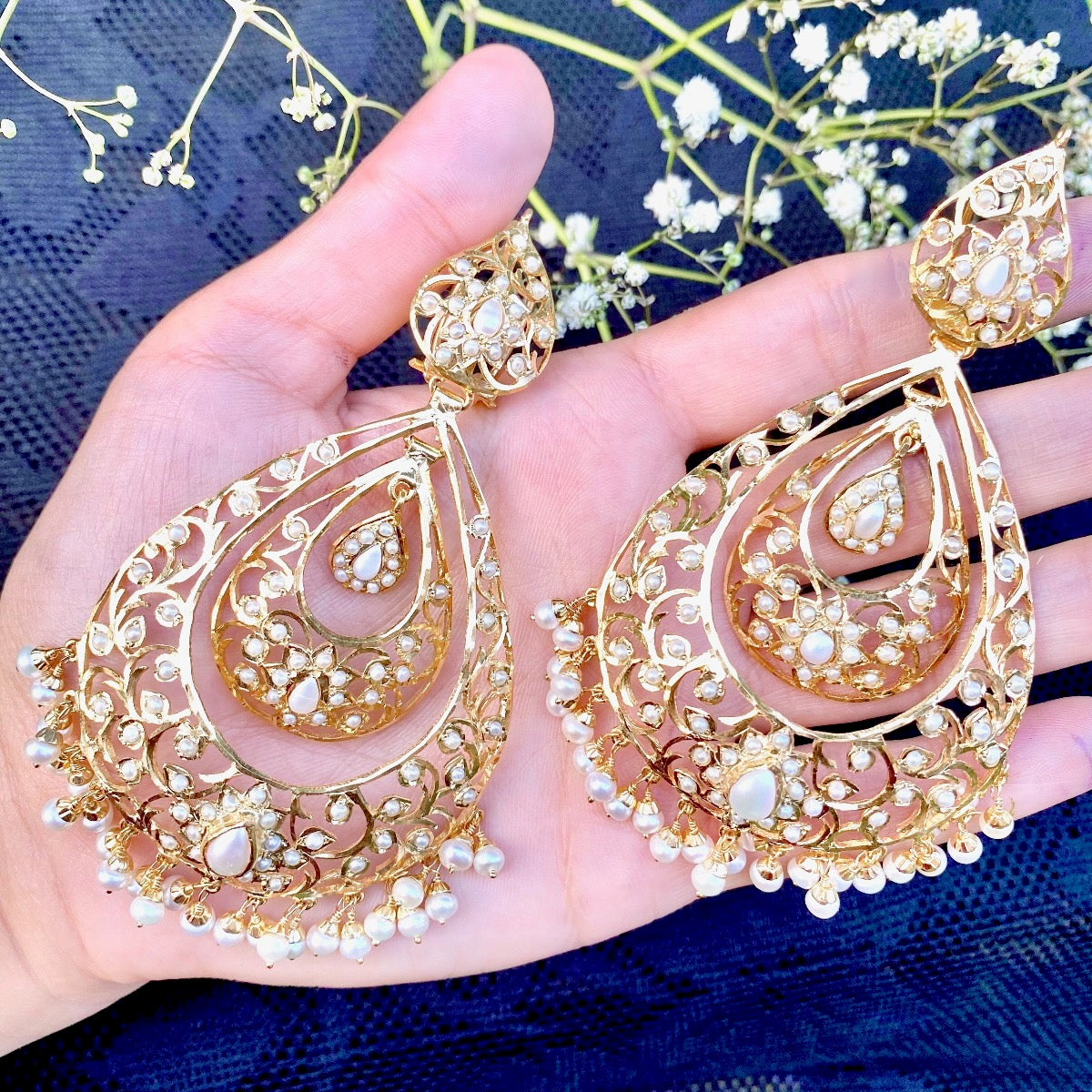
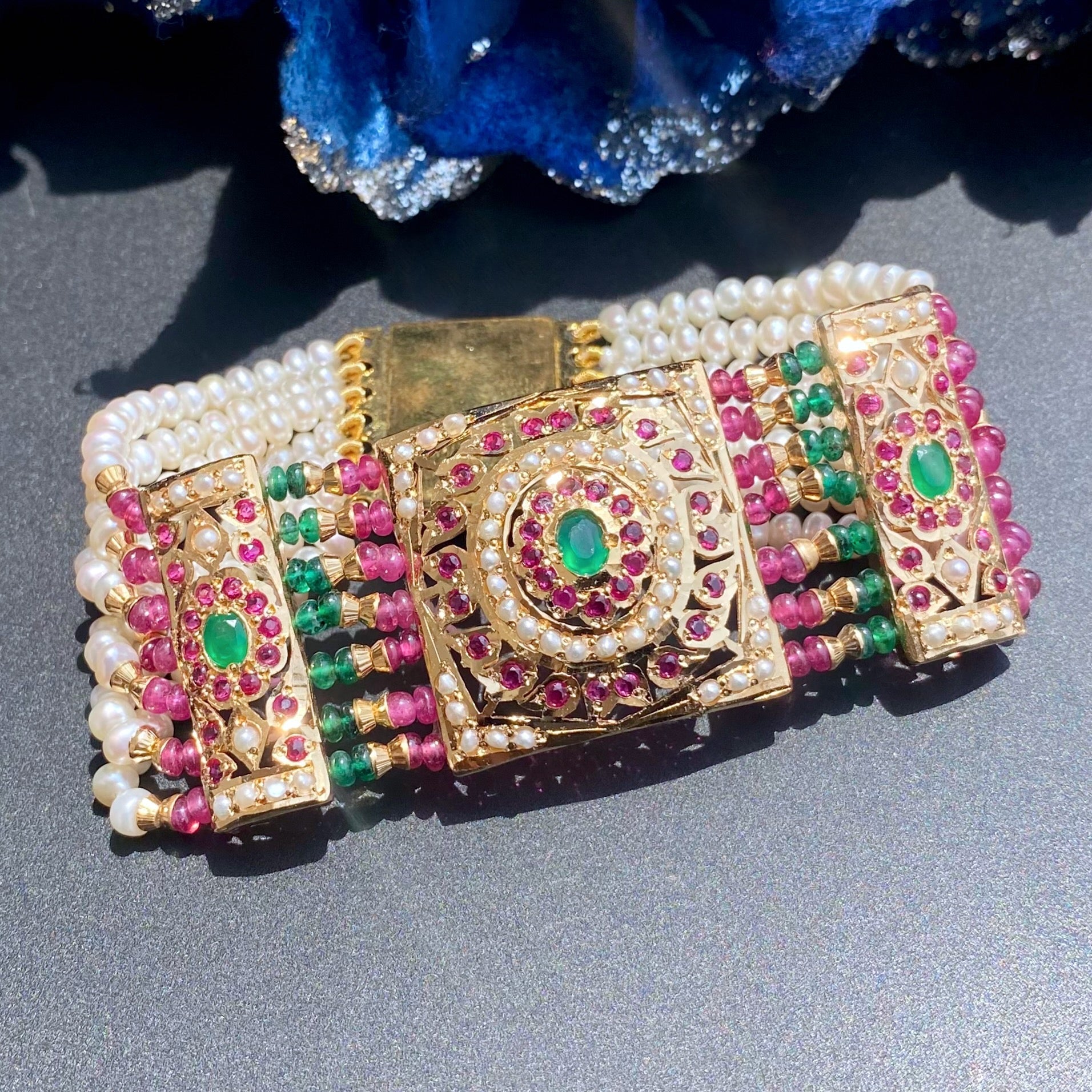
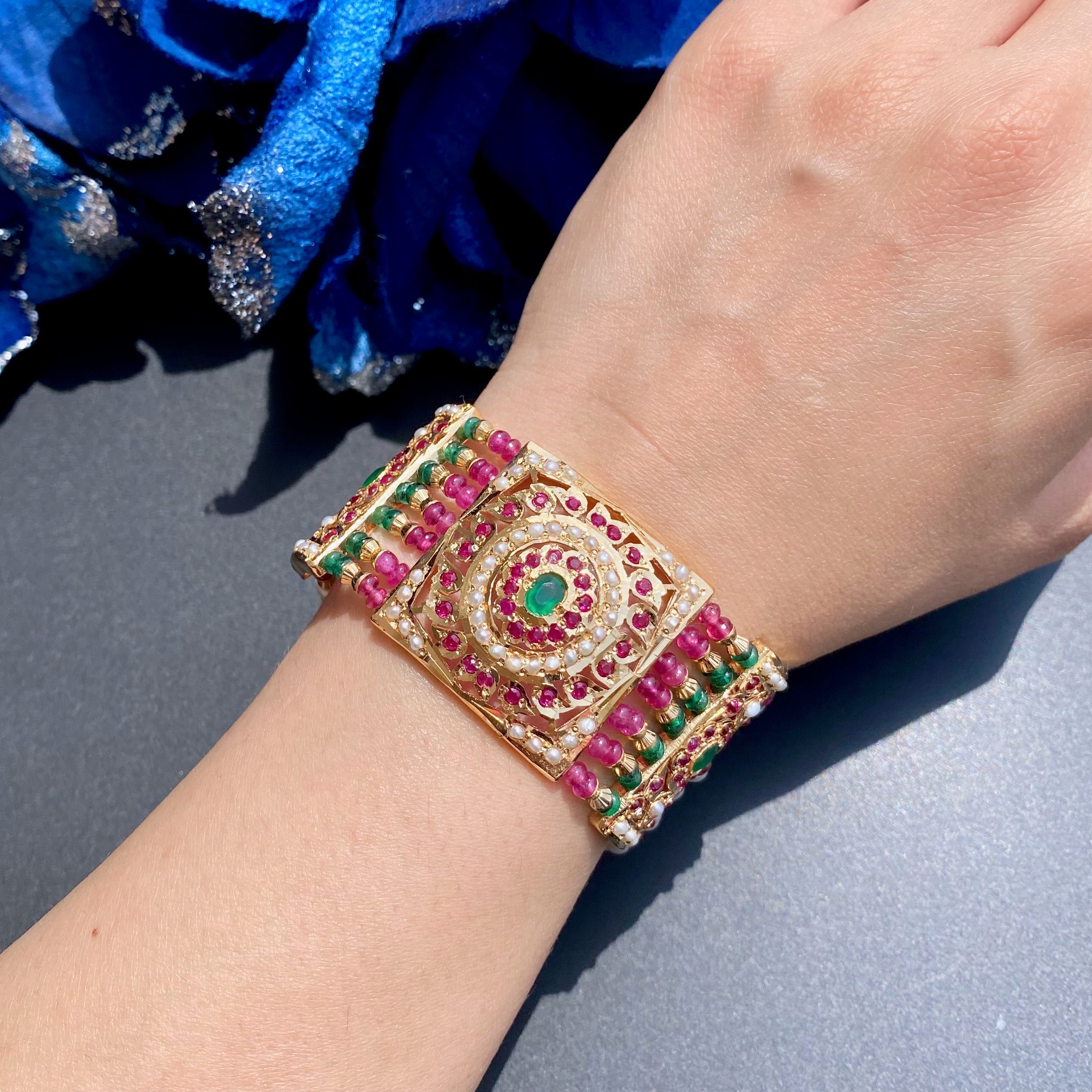
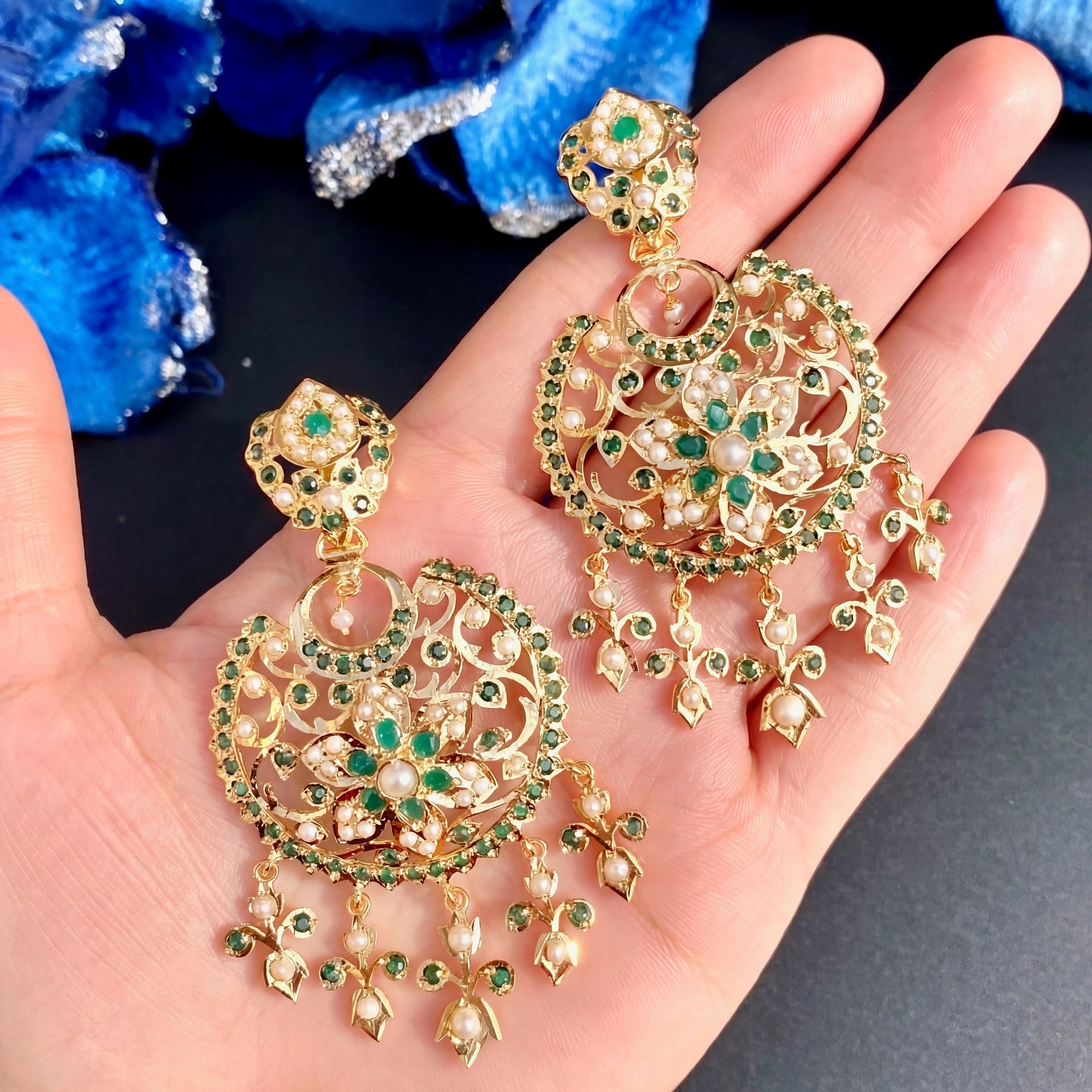
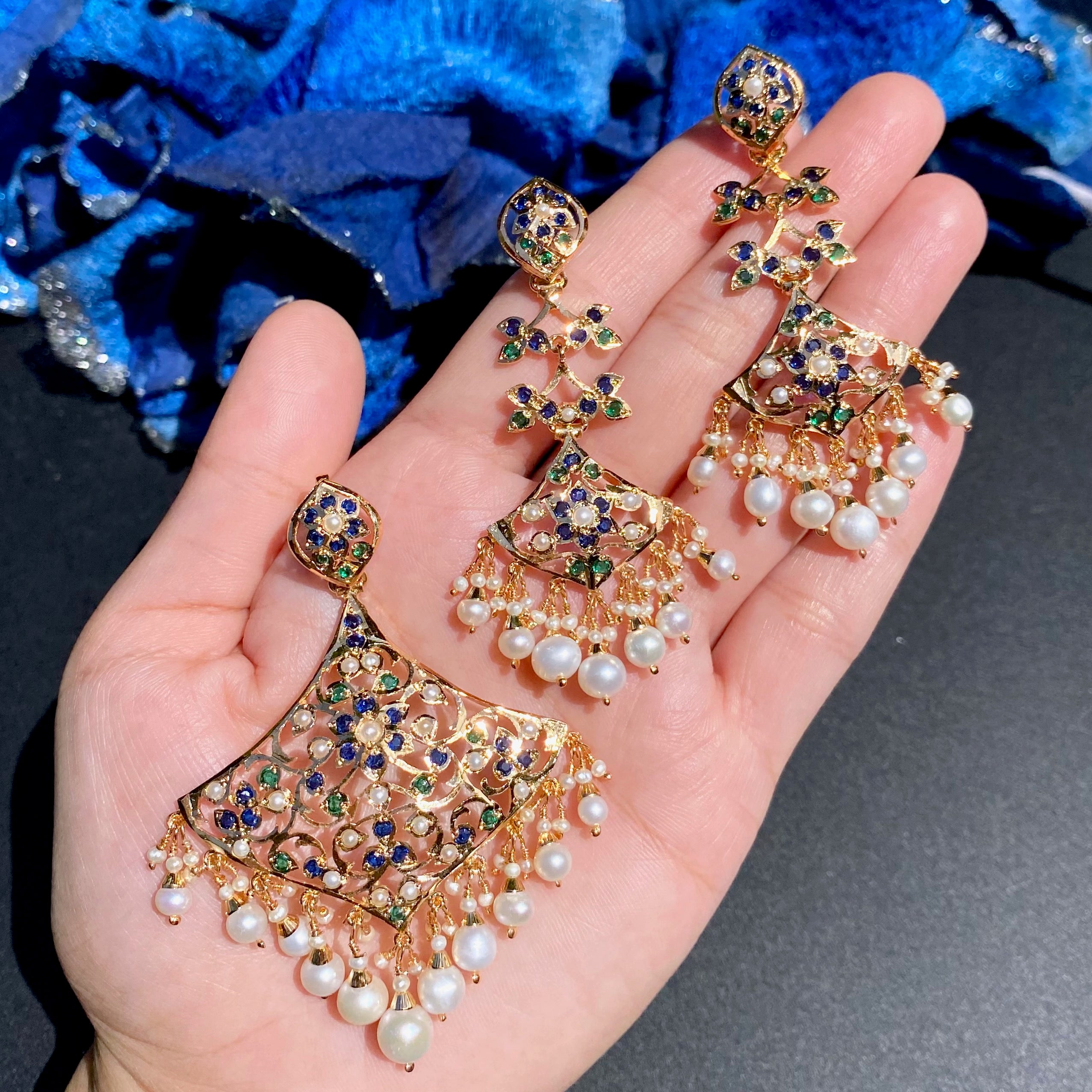
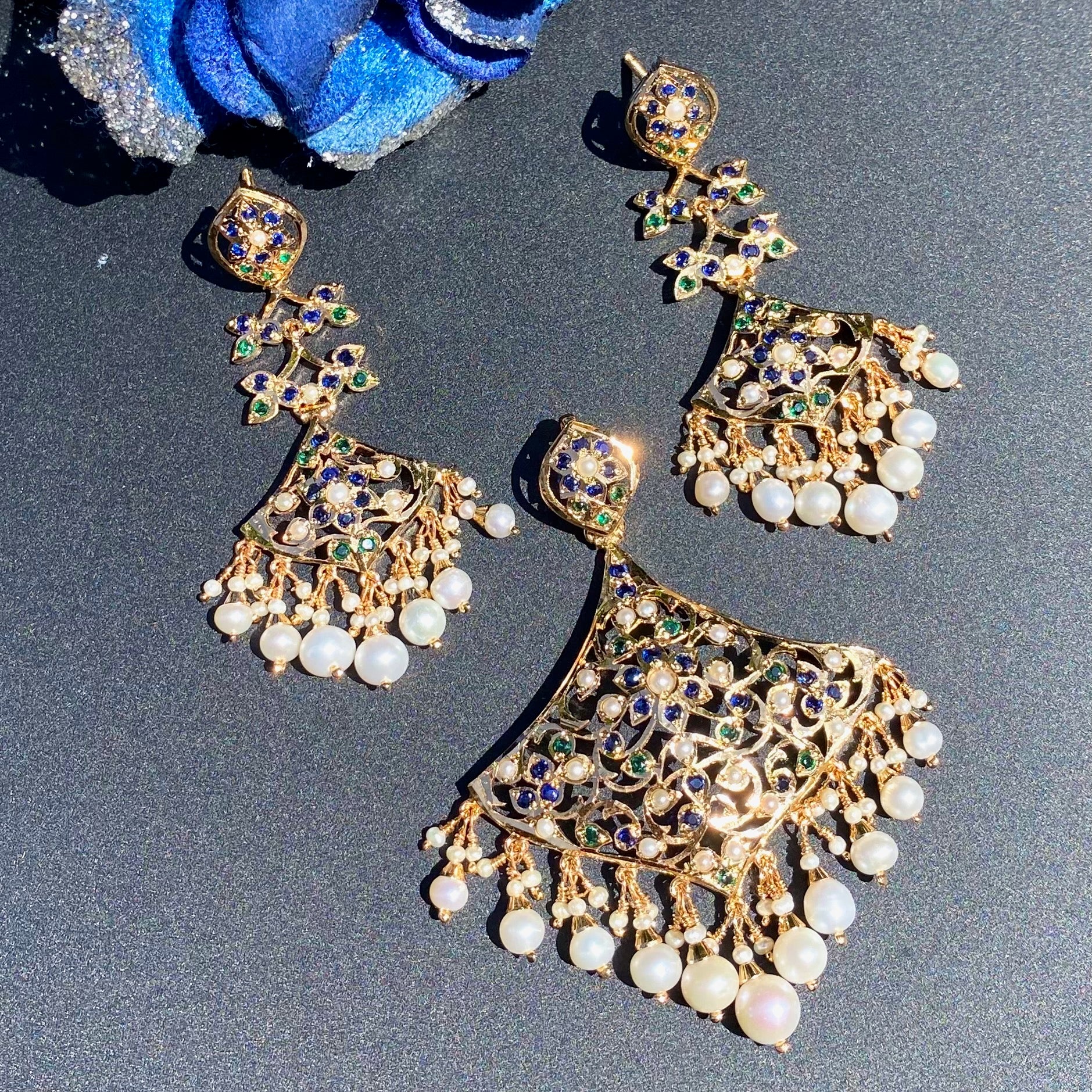
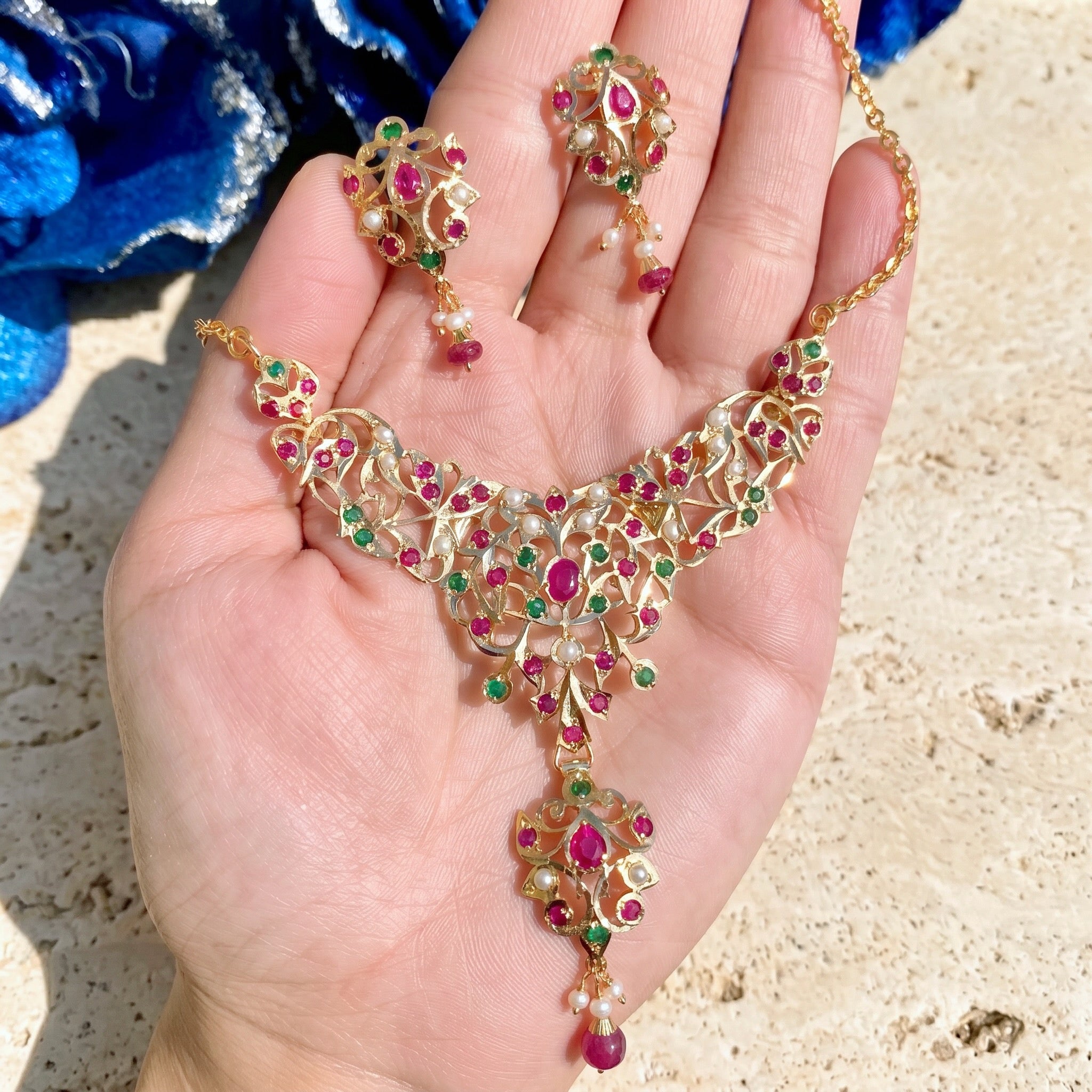
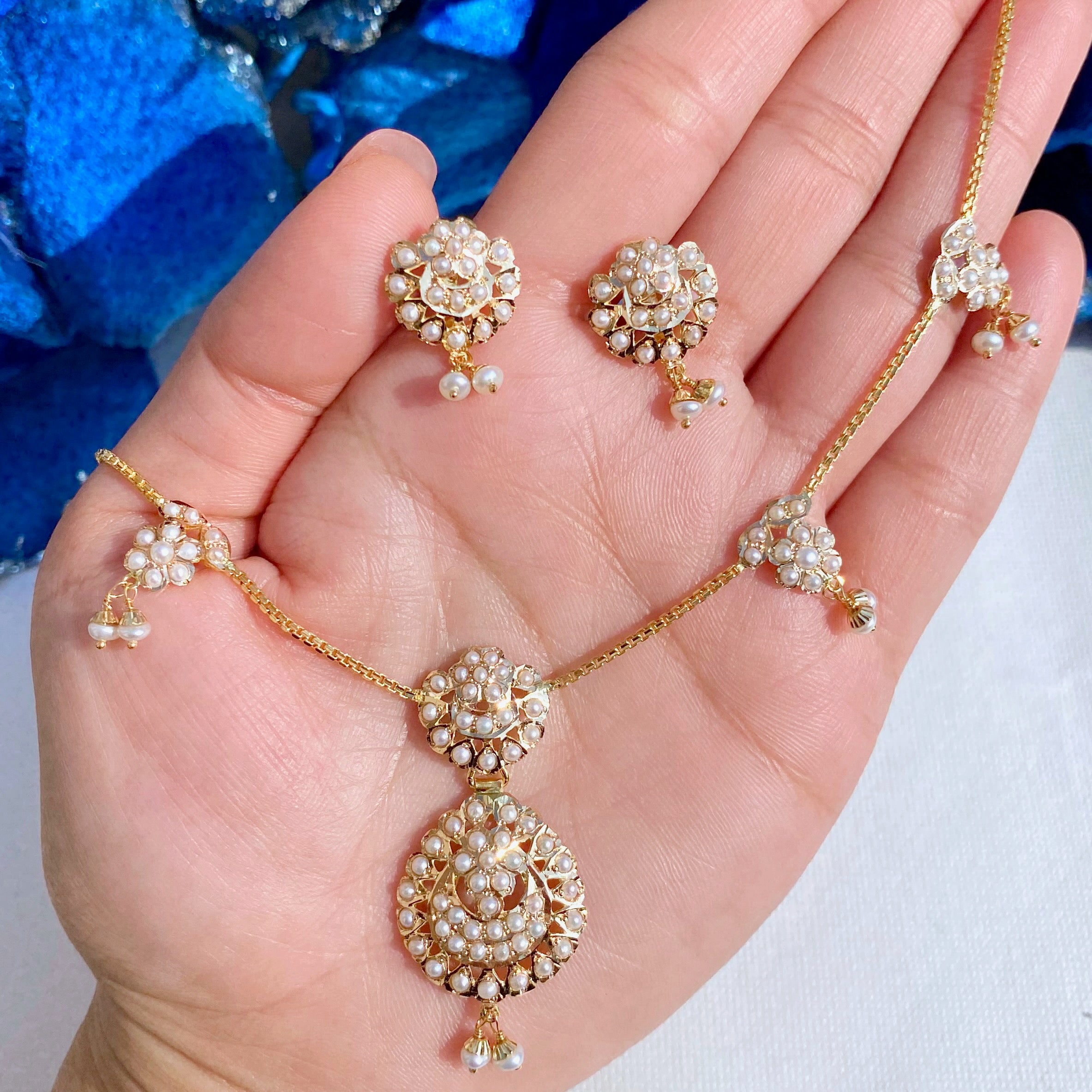
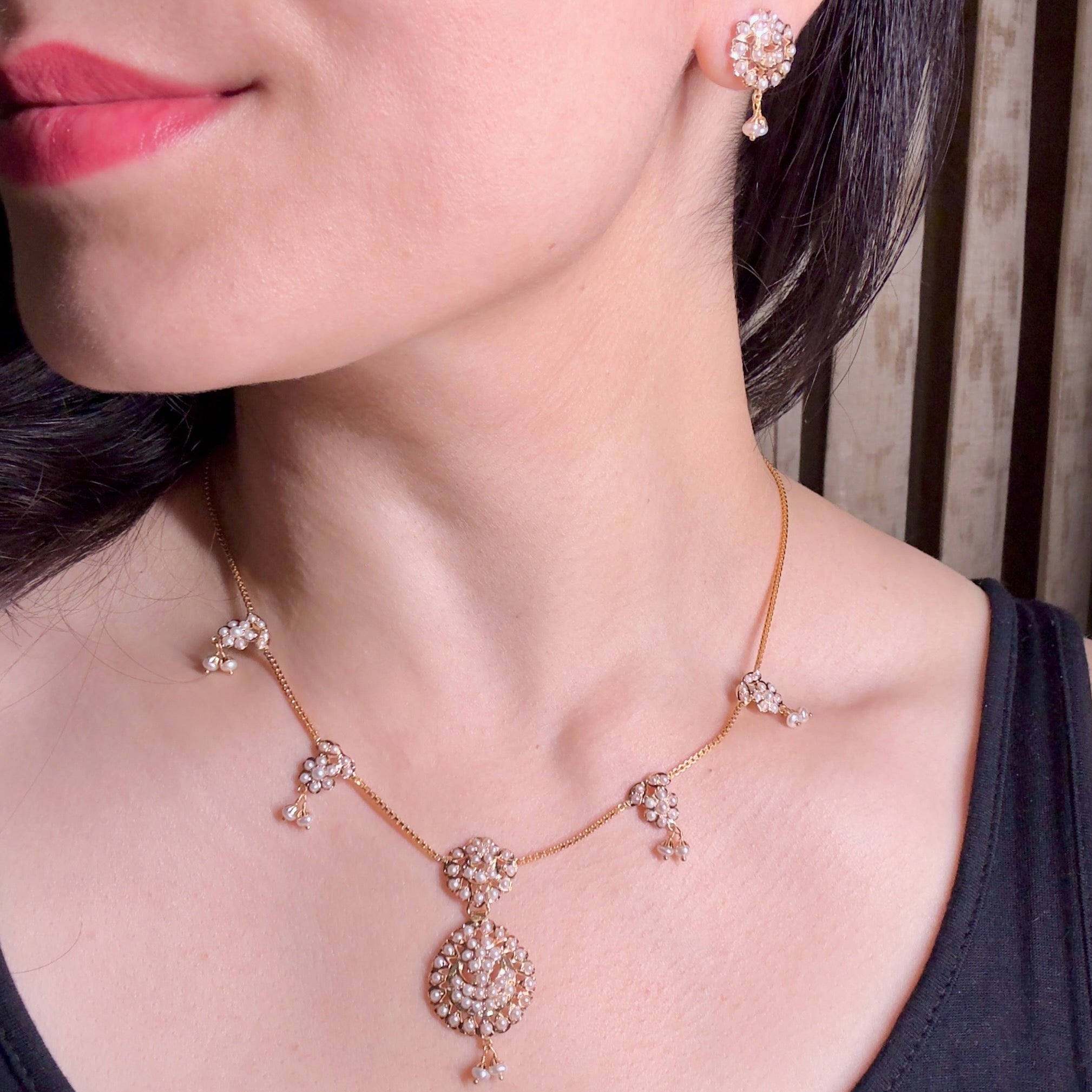
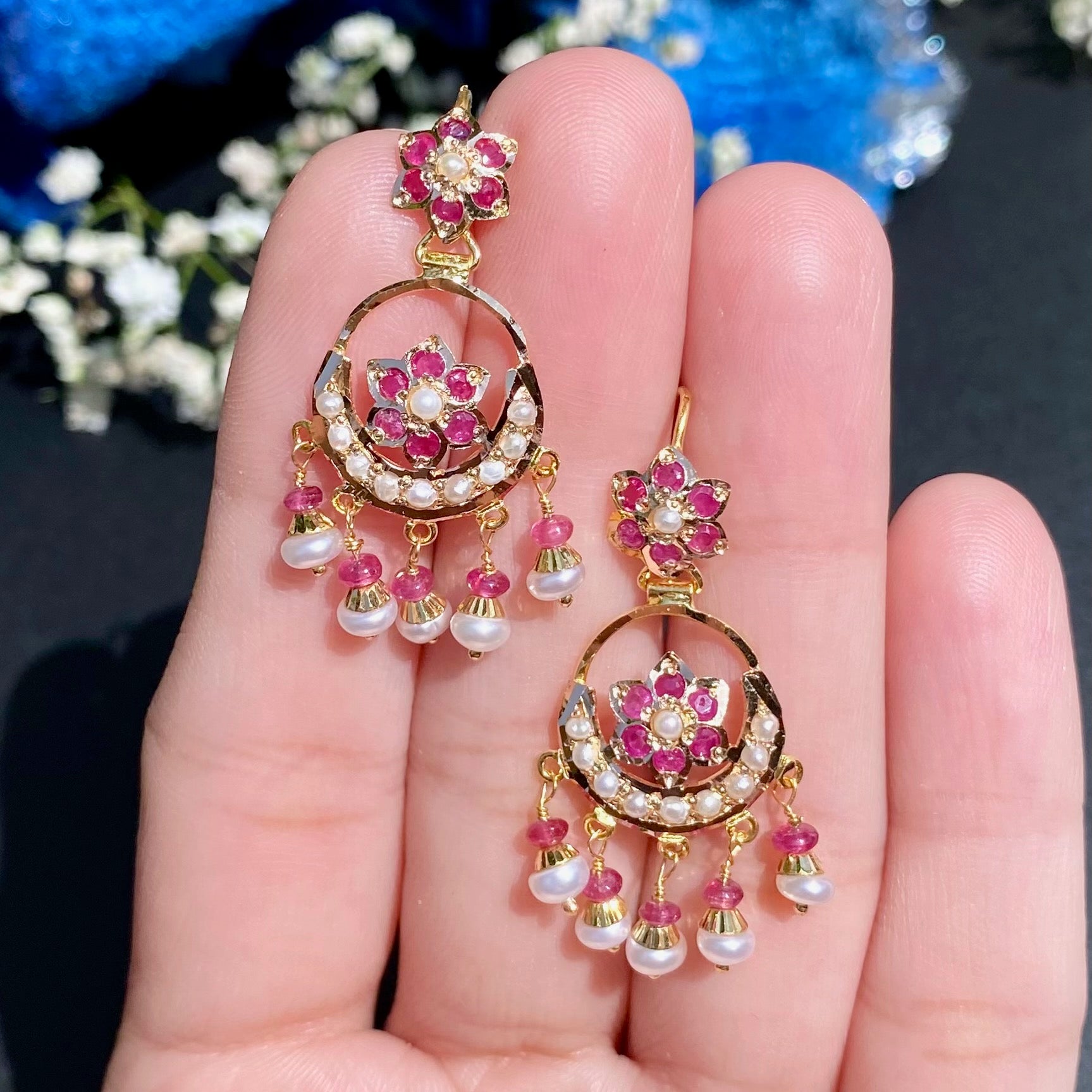
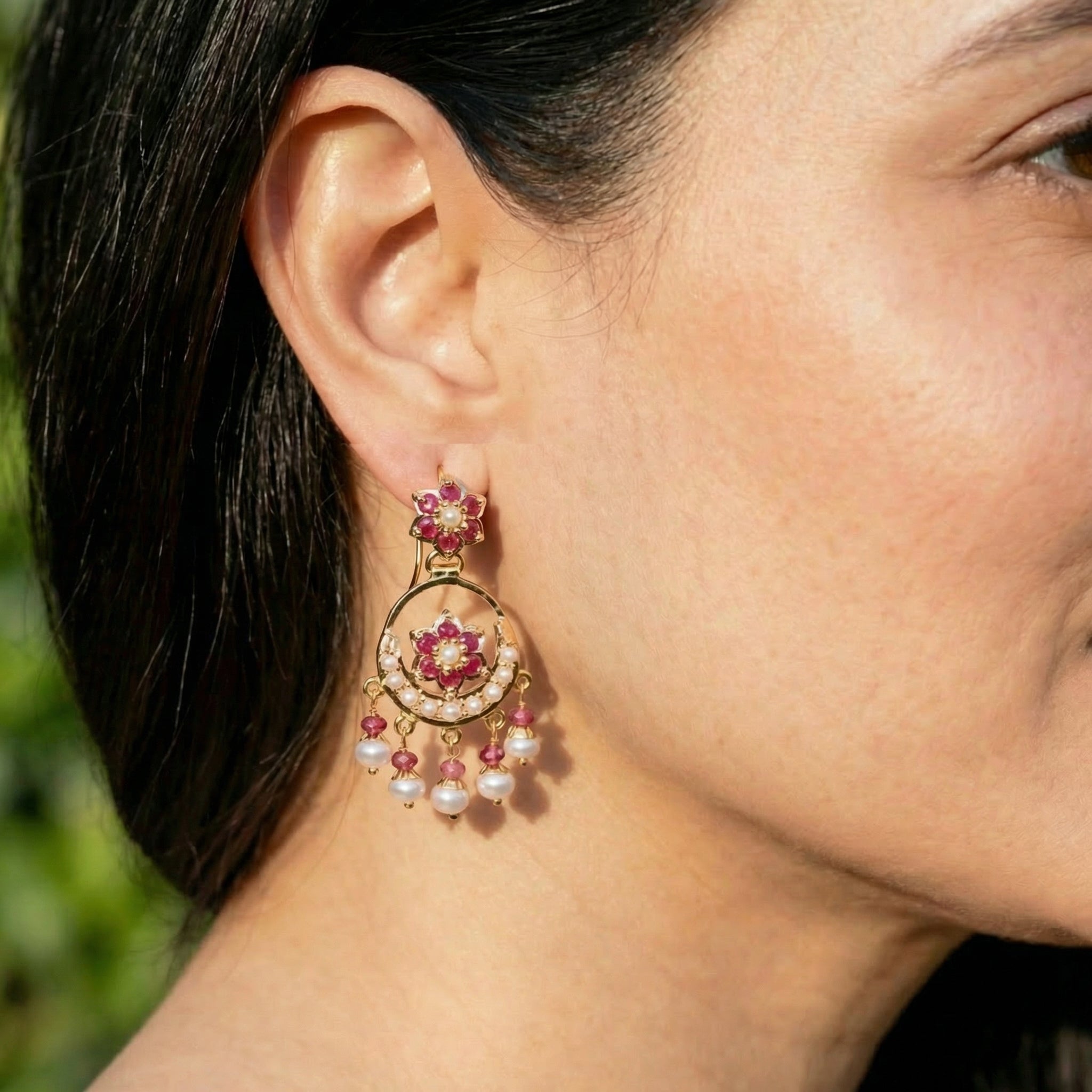
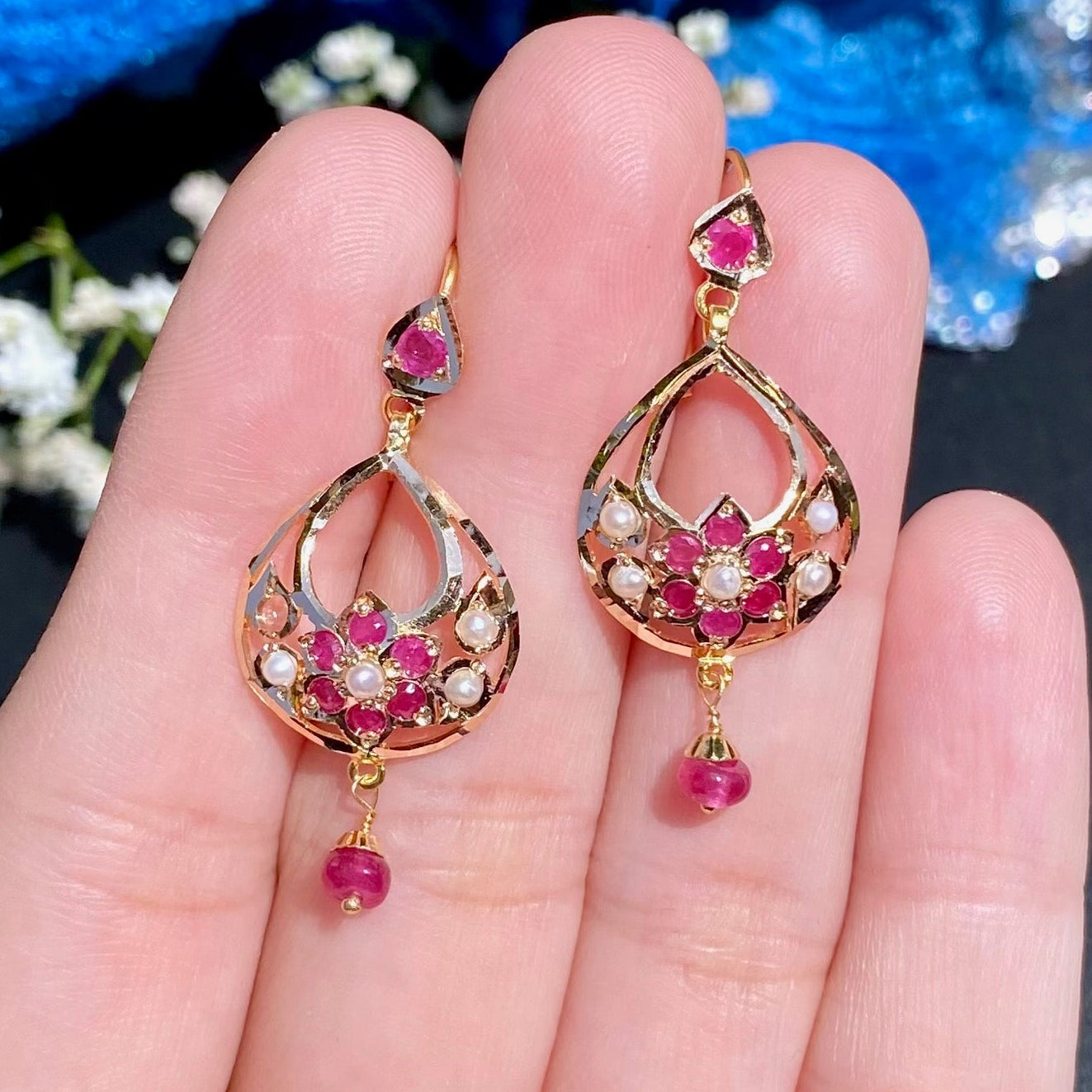
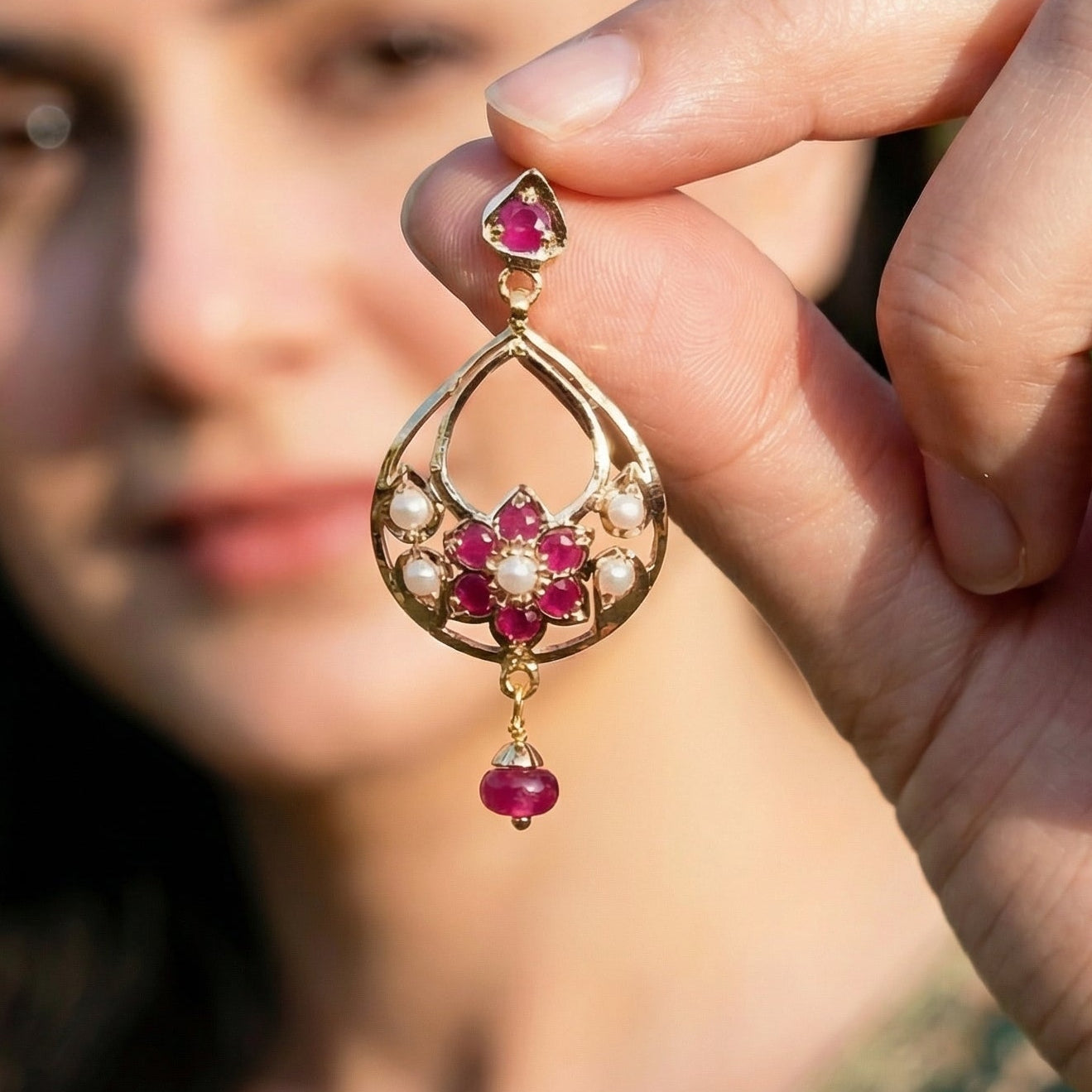
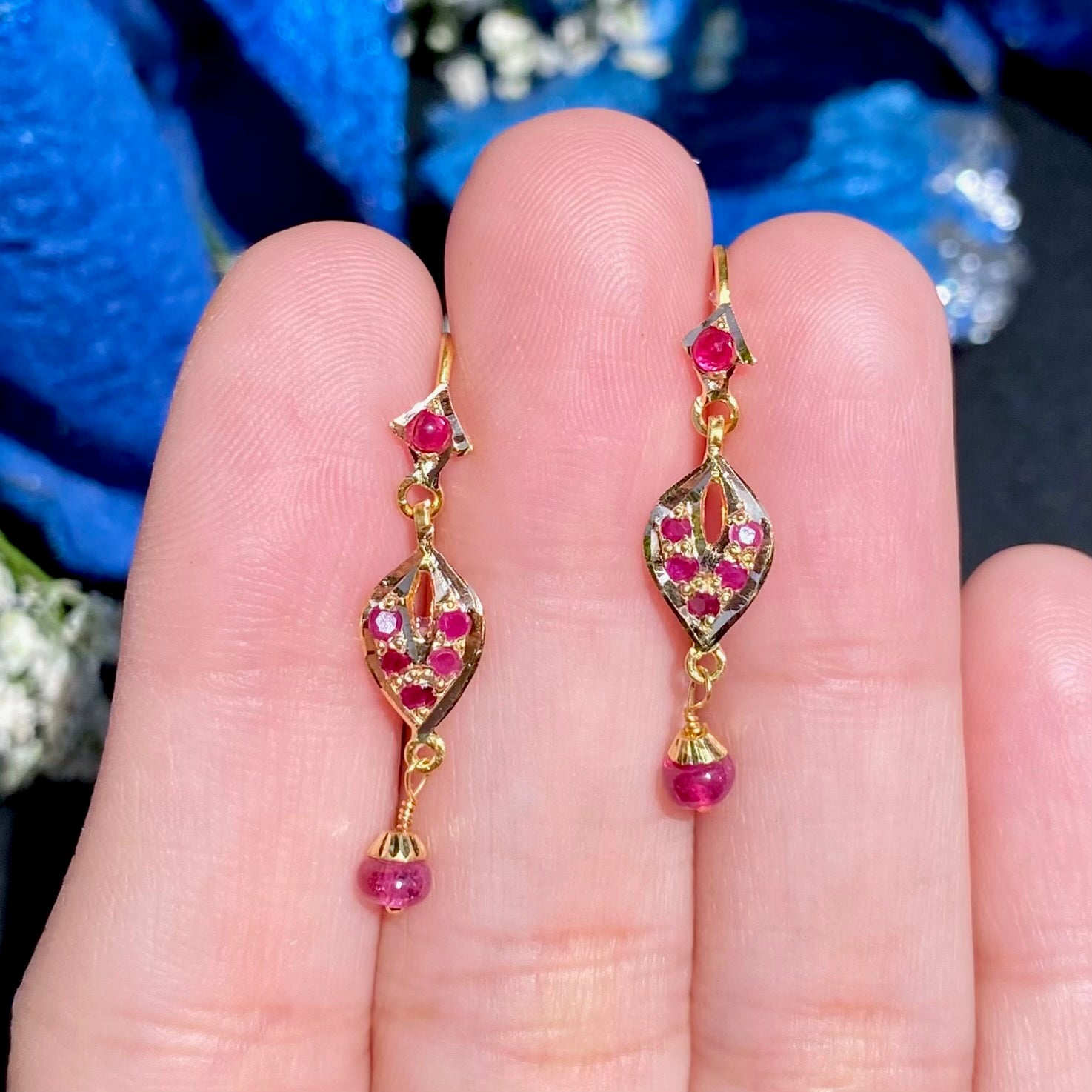
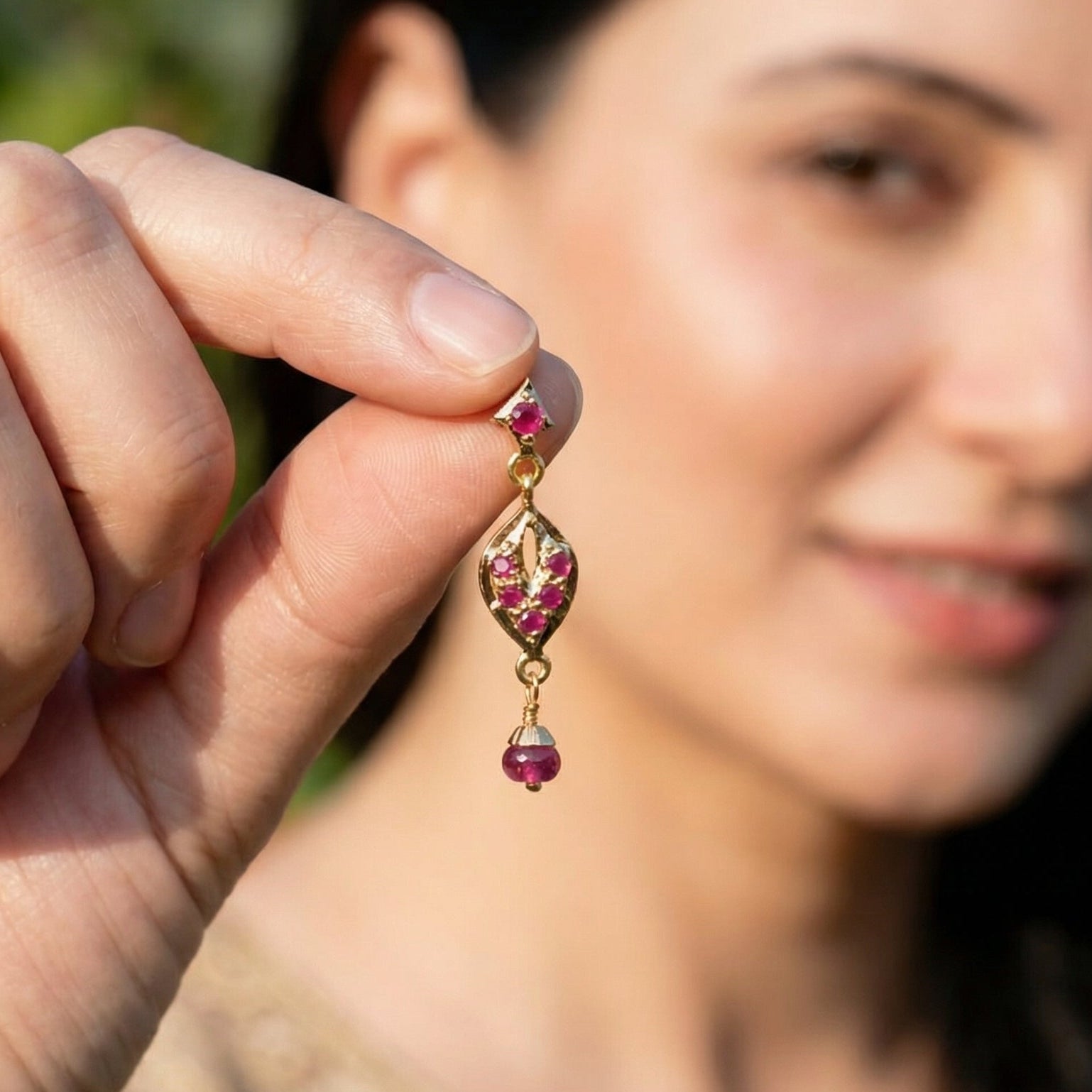
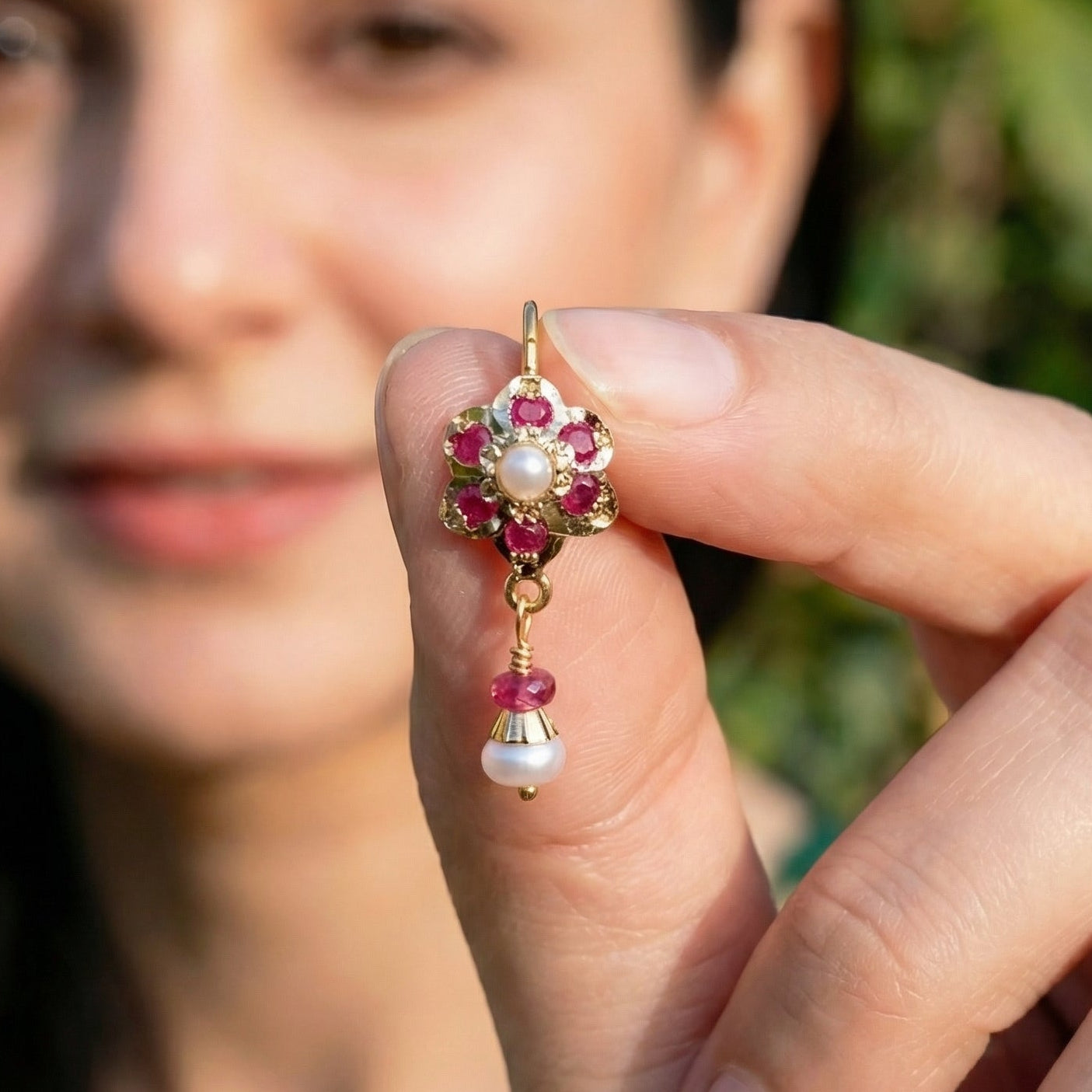
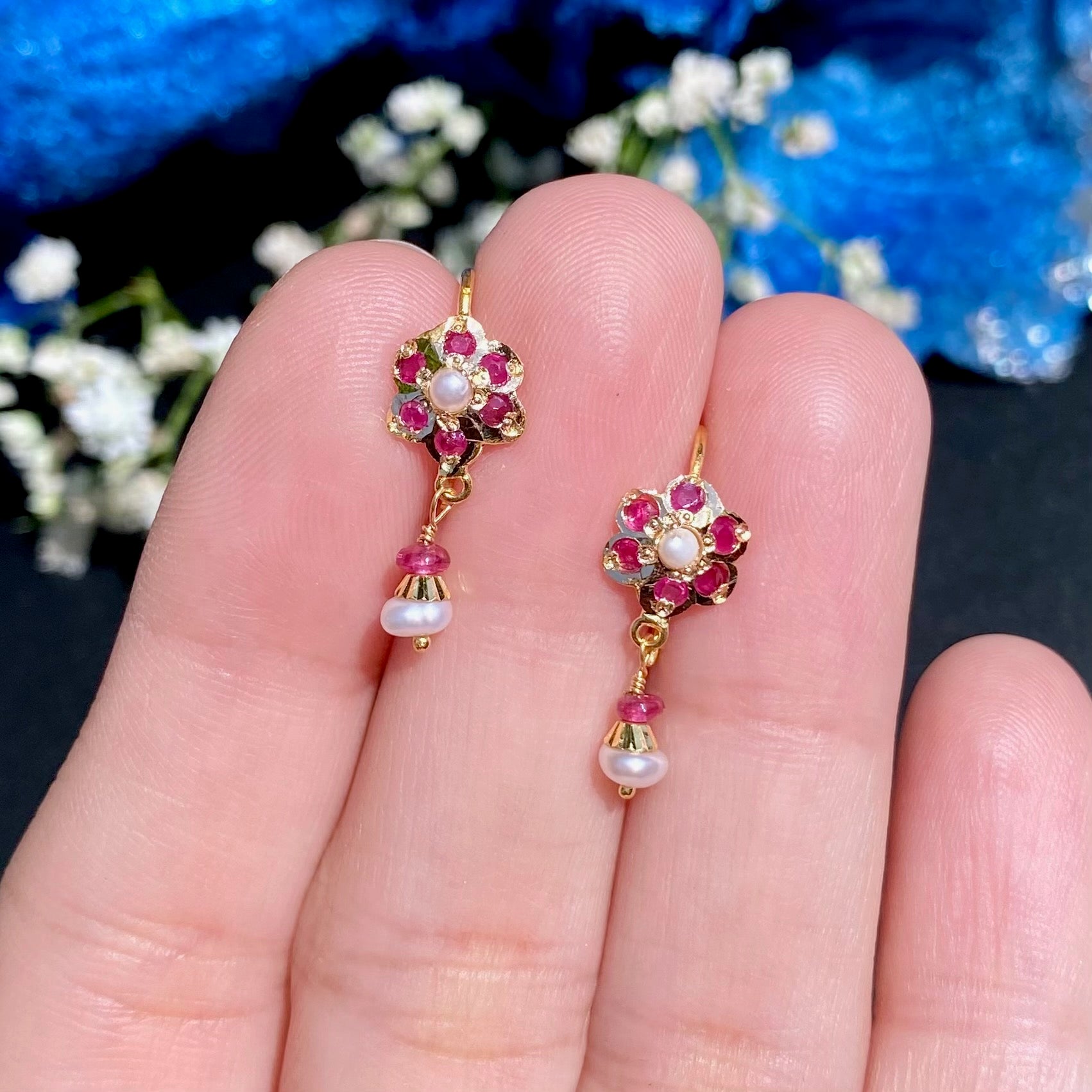
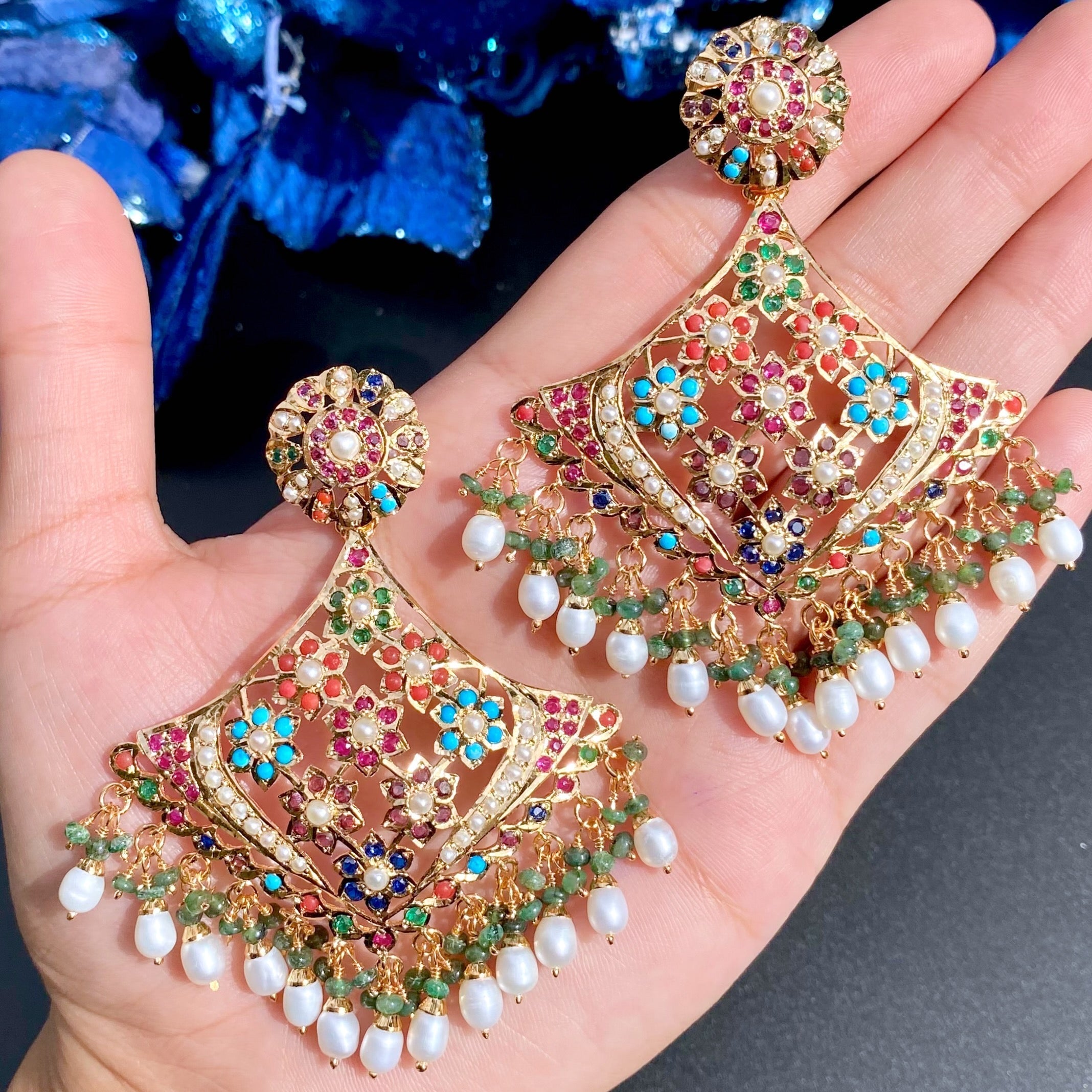
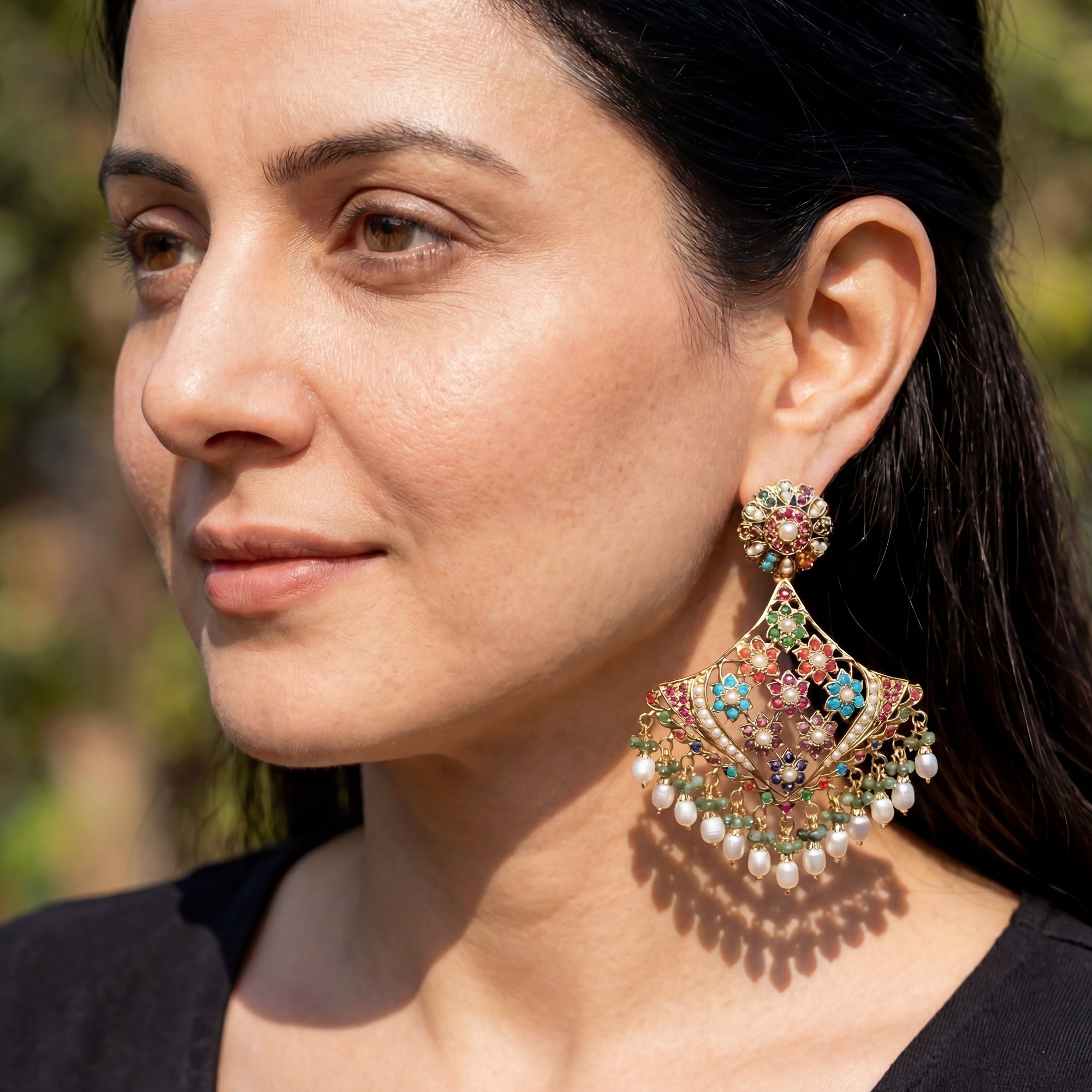
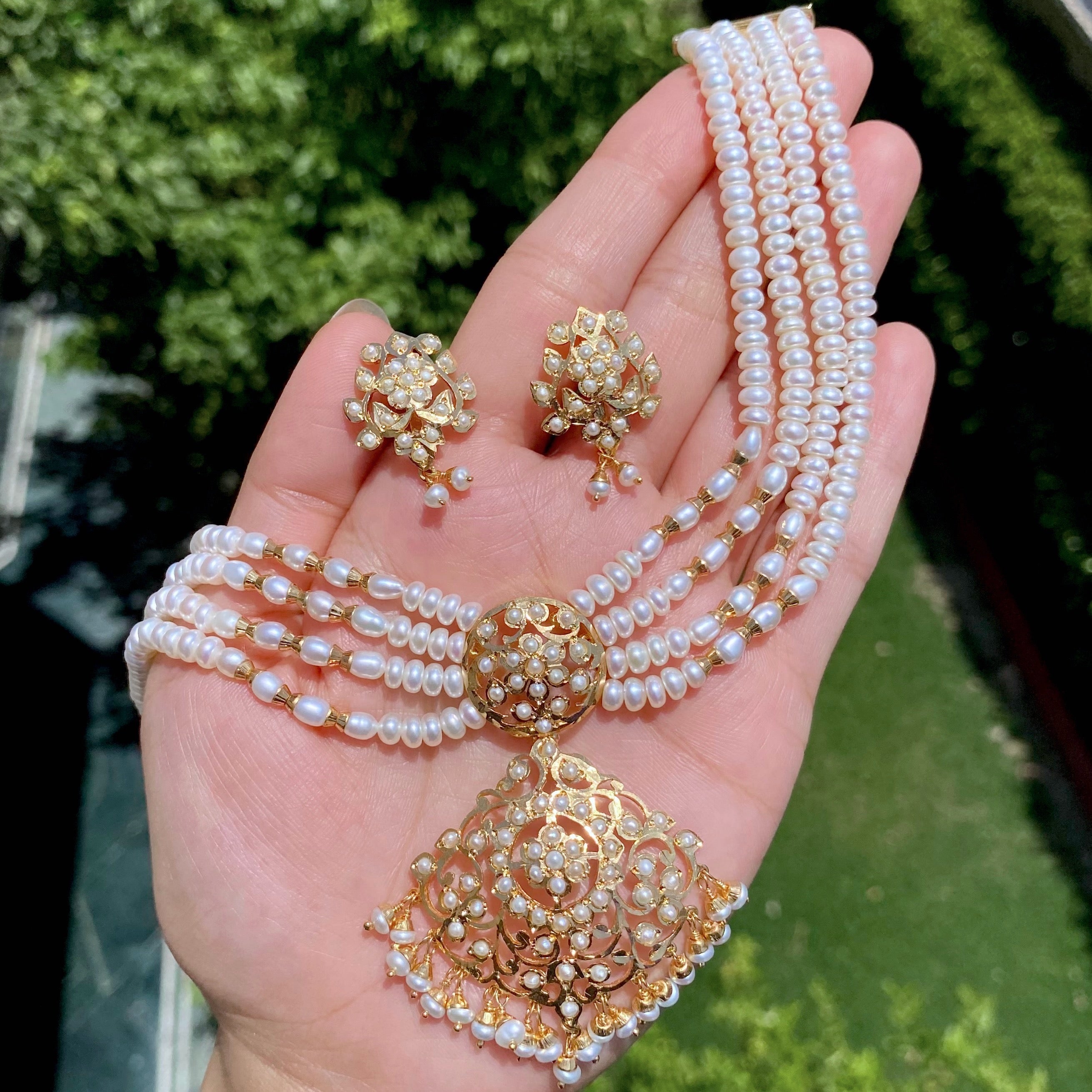
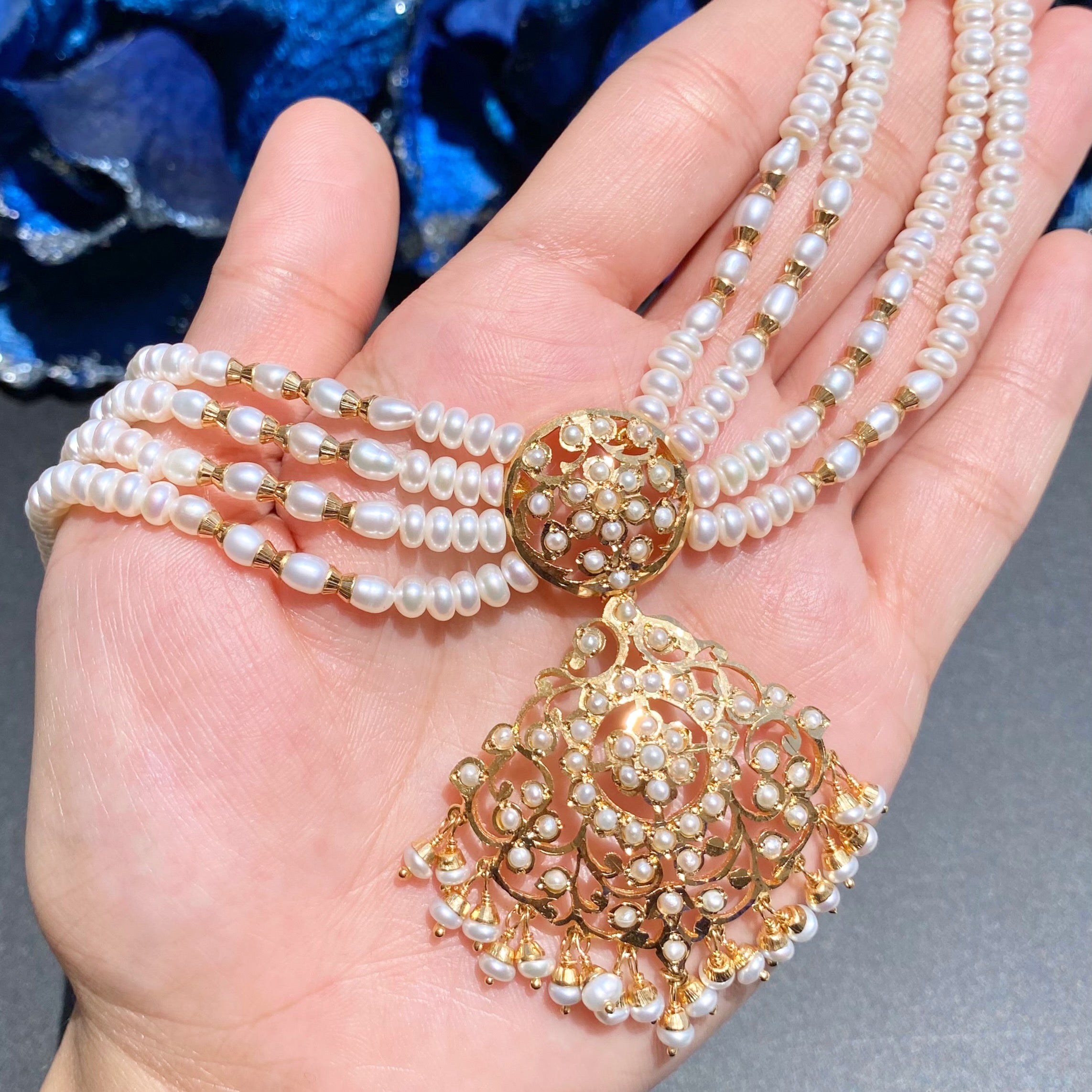
This is particularly relevant for elaborate kundan and jadau jewellery containing numerous small stones, pearls and intricate settings.
The advantage of jewellery without an additional topcoat
Gold-plated silver jewellery without an additional anti-tarnish topcoat may require more careful handling. However, when its finish eventually wears, it can generally be cleaned, prepared and re-gold-plated far more easily. Subject to the stones, construction and condition of the piece, an experienced jeweller can often bring it close to its original appearance at a modest cost.
This ability to restore a piece is particularly valuable for expensive, handcrafted or sentimental jewellery that you may wish to keep for many years.
Proper care can preserve occasional jewellery for years
Elaborate ethnic jewellery is generally worn occasionally rather than every day. With sensible care, its colour and finish can remain beautiful for years. One of the biggest causes of tarnishing is perspiration—and body chemistry differs considerably from person to person.
After wearing your jewellery:
- Gently wipe the surface with a clean, soft and completely dry cloth.
- Allow any perspiration or moisture to dry fully before storing it.
- Keep it away from perfume, hairspray, creams and household chemicals.
- Store each piece separately in a sealed pouch.
- Avoid soaking stone-set jewellery unless the maker has specifically confirmed that it is safe to do so.
So, should you buy anti-tarnish jewellery?
An anti-tarnish coating can make sense for simple, inexpensive fashion jewellery that is intended to be used for a limited period and replaced or discarded later.
It deserves more careful consideration when buying intricate, stone-studded jewellery like ours.

An anti-tarnish coating may extend the first life of a piece, but it can make its second life considerably more difficult. For fine, occasional jewellery, proper care and future repairability may be more valuable than the temporary convenience of an anti-tarnish claim.





















Leave a comment
This site is protected by hCaptcha and the hCaptcha Privacy Policy and Terms of Service apply.